Inside the world of massive marine engineering, few projects are as daunting as the Taipei Port Seawall. Stretching 4,014 m, it stands between one of Taiwan’s most important ports and the relentless forces of the East China Sea, where open-ocean swells and seasonal storms push the limits of engineering resilience.
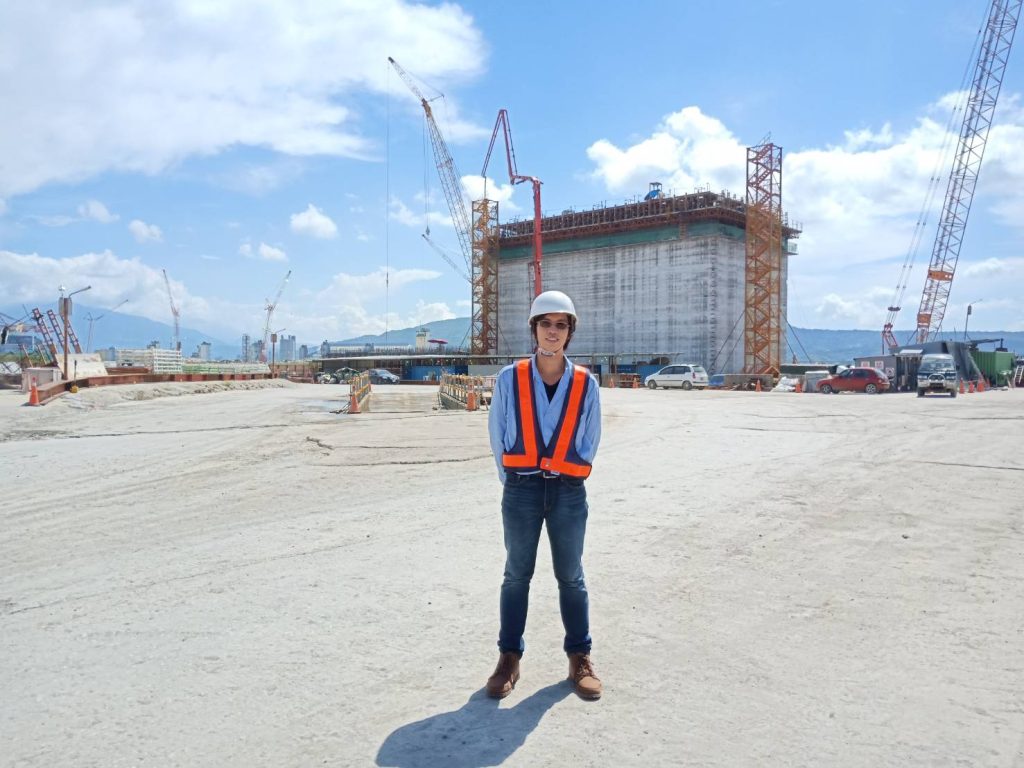
To give you an insider look at this massive shield, we sat down with Huang Chun Hao, Section Head for Operation and Construction. With nearly six years at Gamuda dedicated exclusively to this project, Huang has seen the seawall evolve from a digital blueprint in 2020 into a reality that is over 91 percent complete.
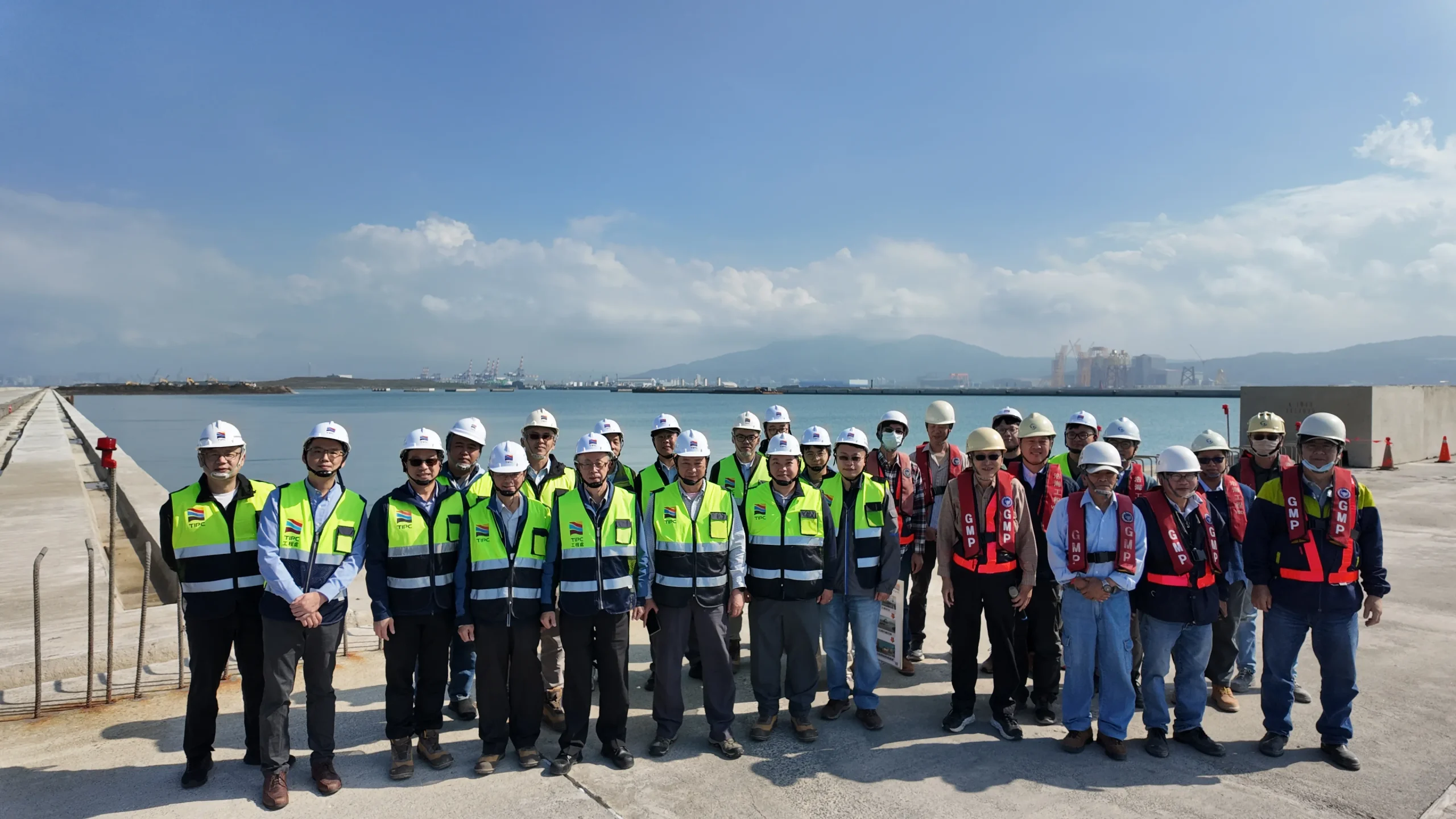
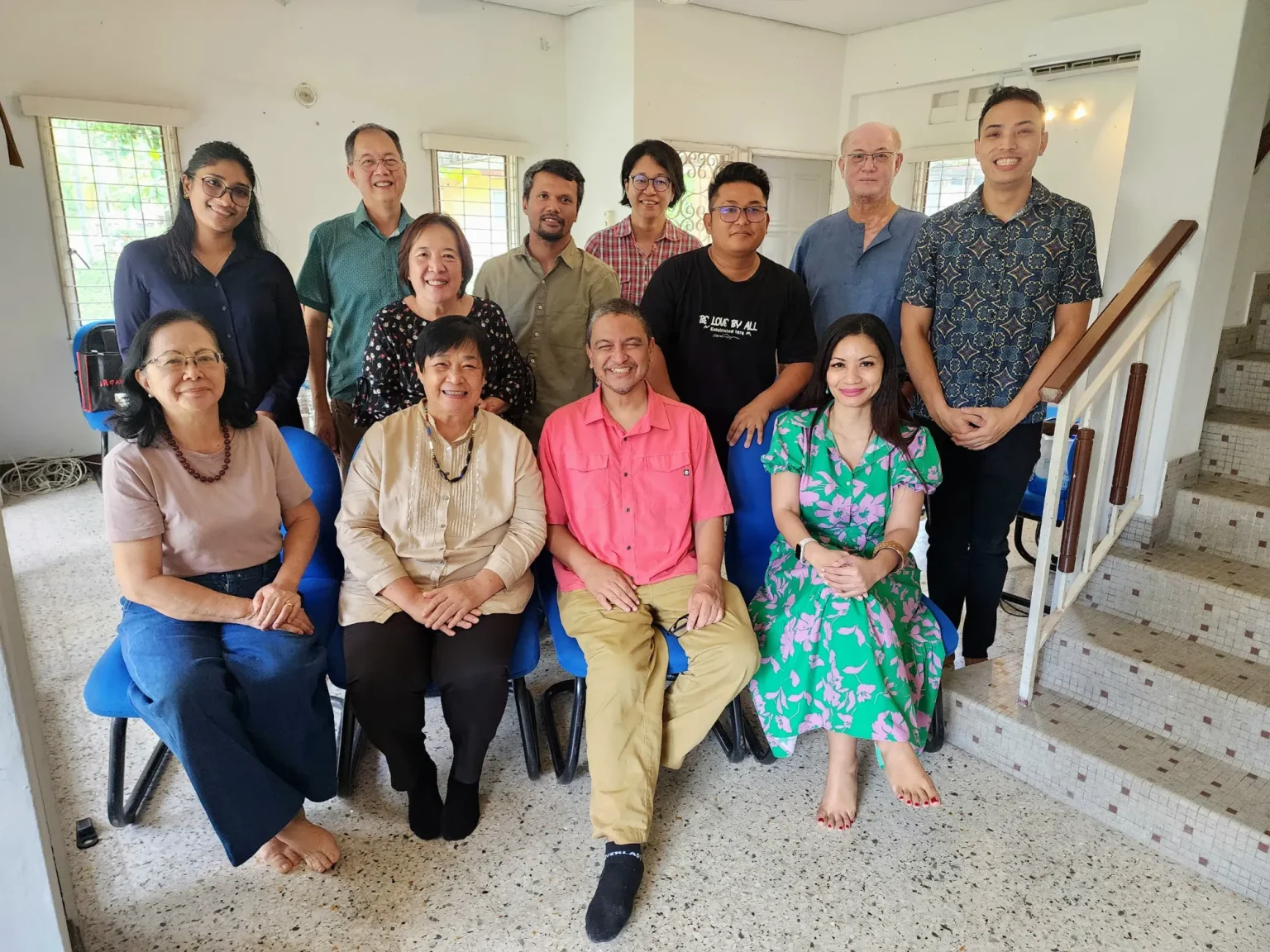
Huang with his workmates on site at Taipei Port. Behind the concrete and steel is a team that has spent nearly six years working through monsoons and typhoons to deliver a 4,104-metre seawall built for the next 50 years.
More Than Just a Wall
To the casual onlookers, it looks like any ordinary concrete. To Huang and his team, the seawall solves three of Northern Taiwan’s most critical infrastructure challenges at once:
Dredged Silt Containment: Creating long term-storage for port silt.
Soil Management: Solving the shortage of construction soil disposal sites.
Land Reclamation: Using these resources to create new land, allowing the port to expand.
“The primary job of the seawall is protection. Without it, giant waves would crash directly into the port,” Huang explains.
“It would destroy our planned windbreak forests and ecological tide pools, making it impossible for ships to berth safely.”
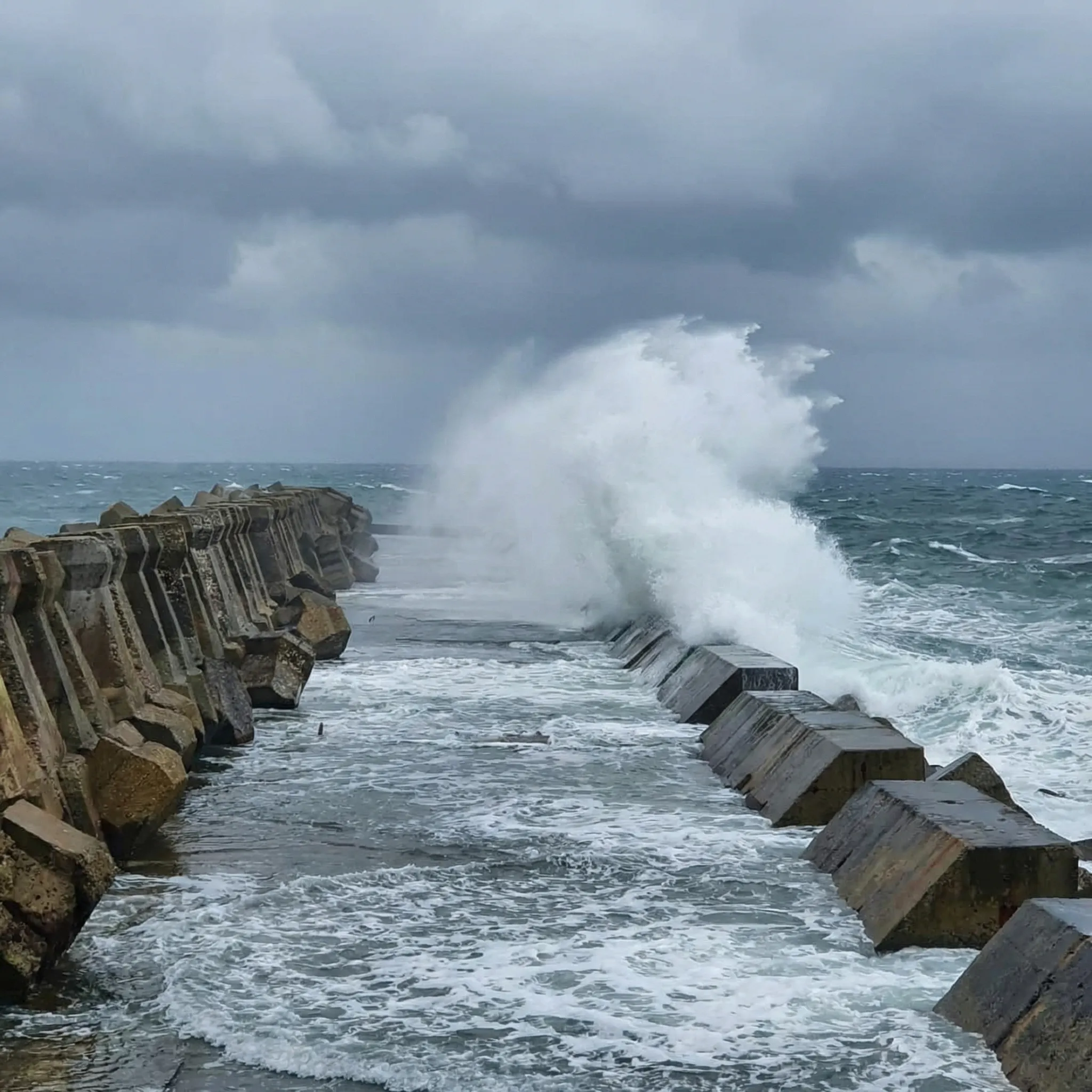
During typhoon season, Huang recalls: Winds will howl for days straight, sand so fine it stings your eyes and grinds into your nose, and seas regularly drive six- to seven-metre waves against the seawall, often overtopping the six-metre high parapet wall.
Facing the Elements
What makes Taipei Port especially challenging is its climate. Taipei Port faces the full brunt of the Northeast Monsoon from October through April, where persistent high-pressure systems push sustained gale-force winds, and waves over 13.8 m/sec (Grade 7 on the Beaufort scale) occur a significant portion of the time.
During typhoon season, typically from July through October, the rhythm of work changes dramatically.
Preparations begin about two days before an official Sea Warning is issued, as the team transitions into “Defence Mode.” All offshore work must stop immediately. Vessels are secured with heavy steel cables so they won’t drift into navigation channels and to protect the entry and exit points for commercial cargo ships. Work often halts for at least a week while a typhoon churns through the region.
Guardian of the Coast
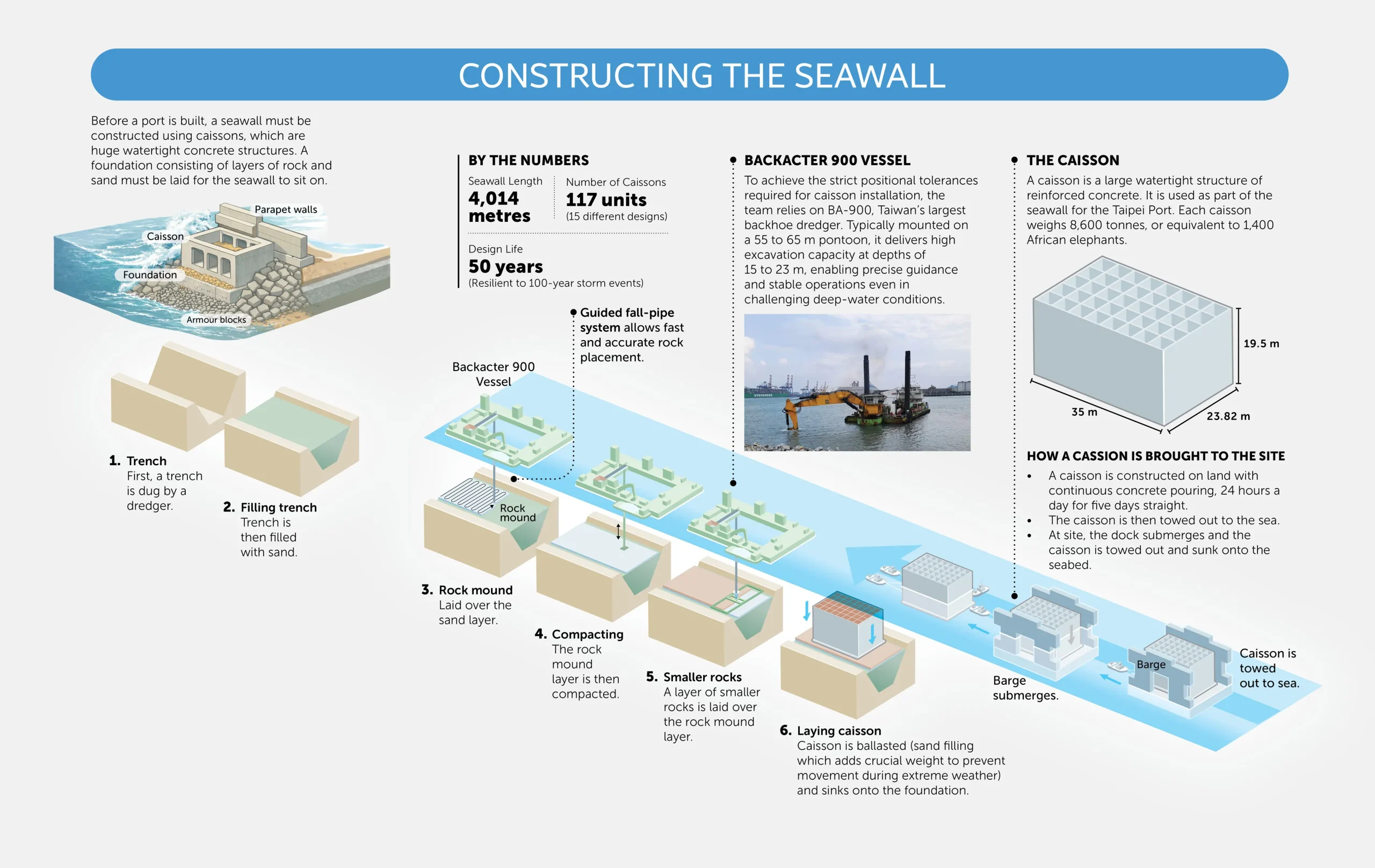
The backbone of this defence is a line of 117 massive caissons, each weighing up to 8,600 tonnes.
To outsmart the weather, the team adopted an onshore caisson fabrication method instead of traditional floating construction. This innovation cut production time from 28 days to just seven and allowed work to continue year-round, even during rough seas.
“Installing each caisson offshore is a high-stakes operation. There is no room for error.”
Huang
If the caisson is misplaced, the team needs to refloat and start over. Hence, achieving ‘one-shot success’ is an absolute priority.
Visual direction adapted from a publicly available infographic by The Straits Times (2019).
Installing the Caisson Seawall
For Huang, the project’s most unforgettable moment came during the installation of the very first caisson. As the floating dock submerged and the massive structure settled into place, the entire team watched in silence.
“When we confirmed it was perfectly positioned, there was this collective sense of relief,” he says. That moment will always stay with him.
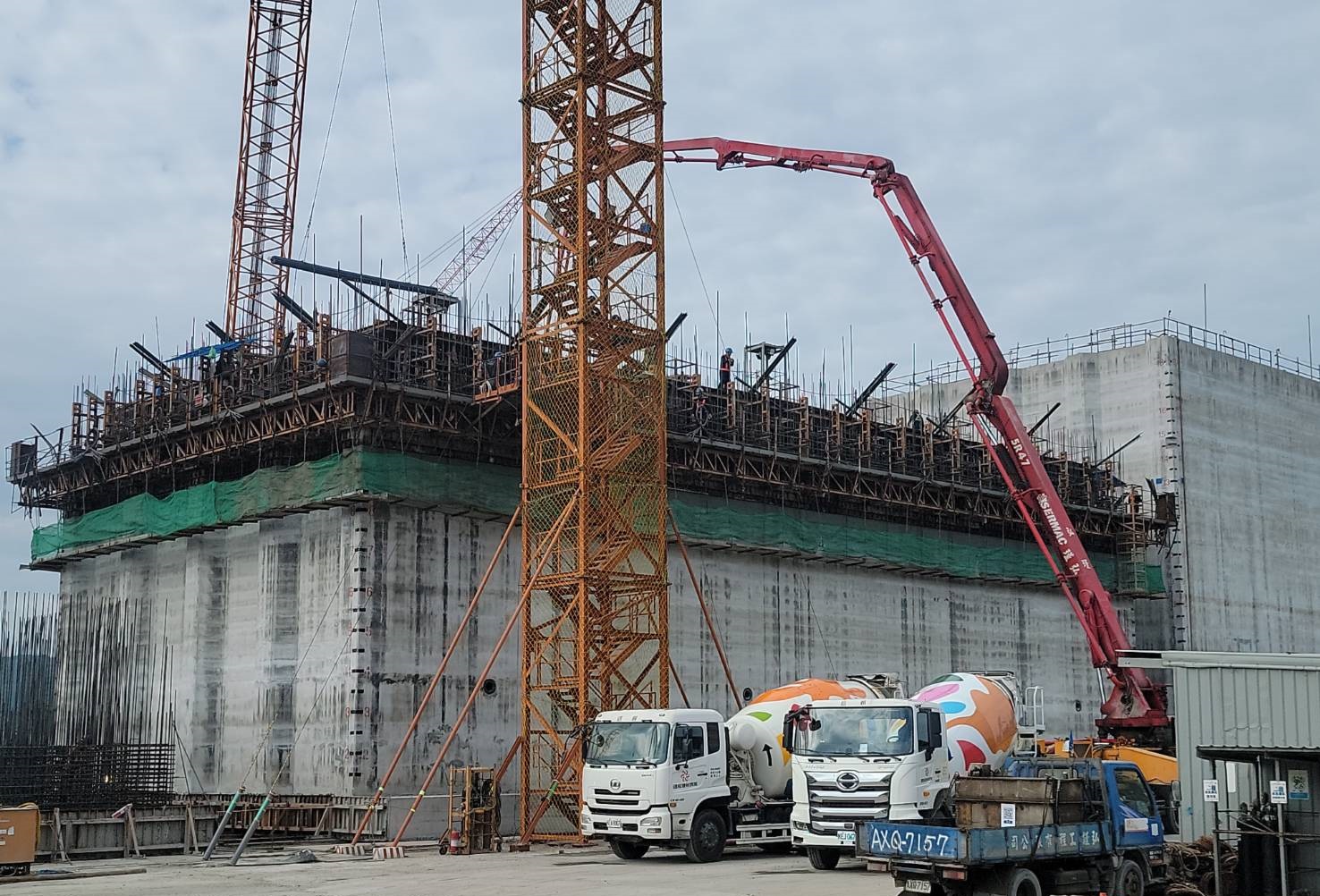
Caisson fabrication in progress. Designed for strength and efficiency, some units rely on sheer weight to resist monsoon waves, while others feature wave-dissipating chambers to reduce wave reflection, creating calm water zones.
Did You Know?
The caissons, which resemble oddly shaped armour blocks in form, originated as anti-tank barriers during World War II before engineers discovered their wave-dissipating properties.
The caissons aren’t just dead concrete. It functions like ‘marine apartments’. The calm waters inside the wave-dissipating chambers create a perfect sanctuary for algae and small fish to thrive, effectively turning the seawall into a thriving vertical reef.
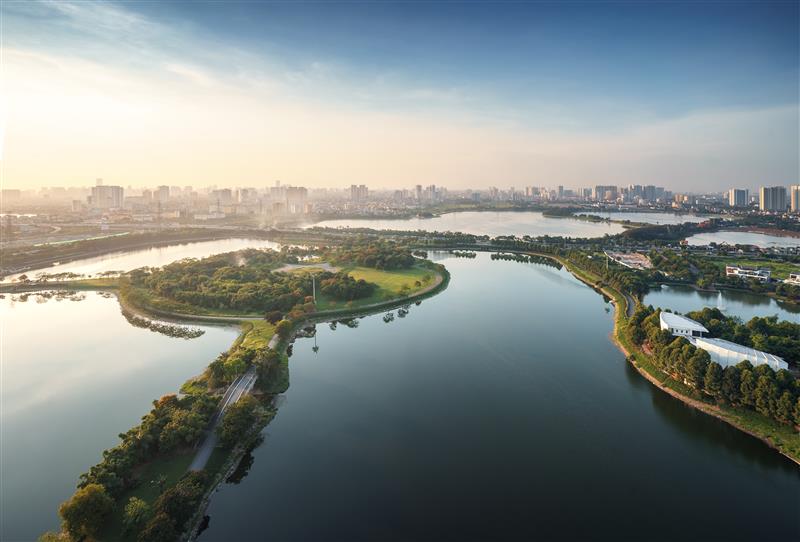
Yen So’s park and lakes blend urban regeneration with masterful township planning.
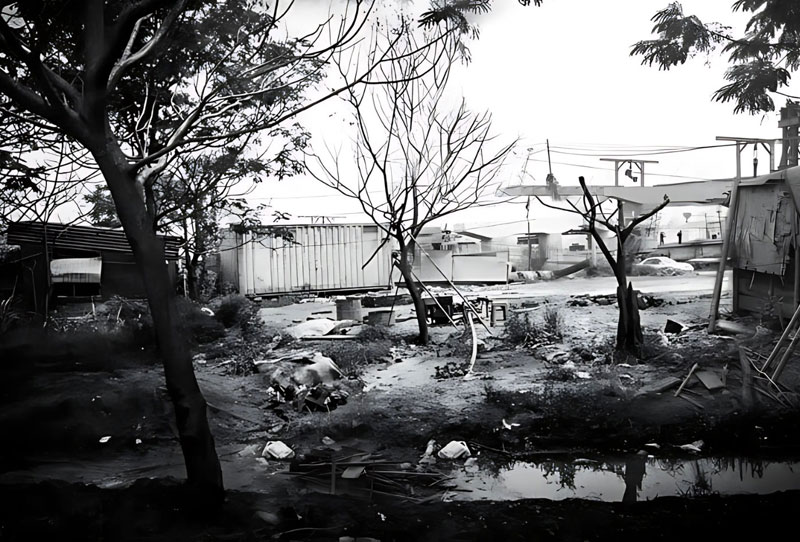
Today, if you visit it, you could never imagine what it looked like a decade ago.
We use tracking technologies to collect data relating to you to perform analytics, provide you with tailored content and ads based on your interactions on this and other sites or apps and allow you to share content on social media. By clicking on [Accept] you consent to this and to the sharing of this data with our partners. You can change your mind at anytime. Click here to find out more about our practices.
You can choose which analytical, functionality and targeting cookies we can set by clicking on the button(s):
However, if you use your browser settings to block all cookies (including strictly necessary cookies) you may not be able to access all or parts of our website.