


Indigenous People
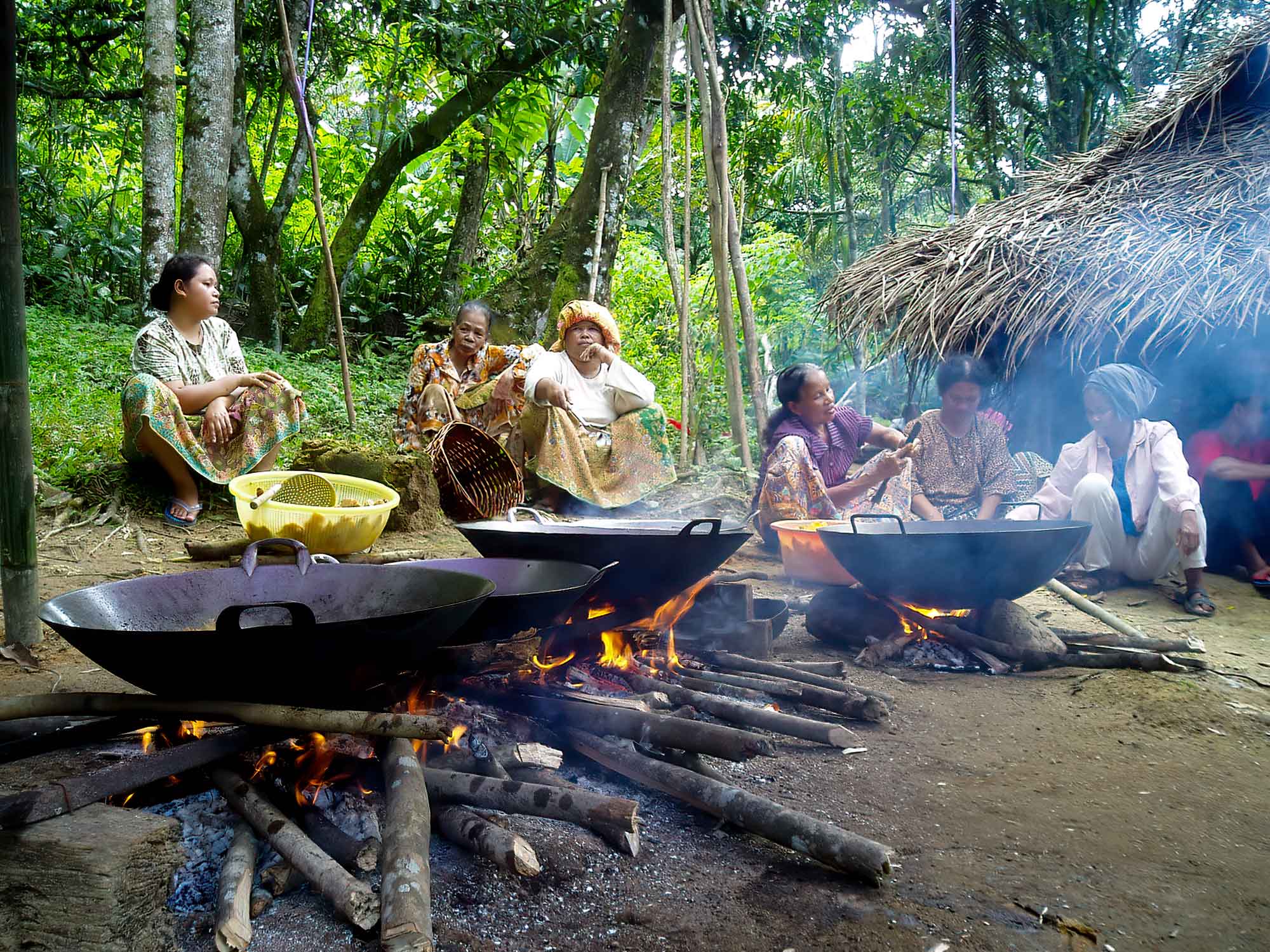
Gamuda respects the rights of Indigenous groups, including those of Malaysia's Orang Asli and Orang Asal as well as Australia’s First Nations peoples, in accordance with the United Nations Declaration on the Rights of Indigenous Peoples. Prioritising mutual respect and trust, we keep these communities informed and seek their Free Prior, and Informed Consent (FPIC) in decisions and actions impacting their communities. Acknowledging their connection to their ecosystems, we collaborate with them for sustainable resource management.
Community Engagement and Supporting Livelihoods
sustainable income
Programme
and cultural showcase
Indigenous Inclusion
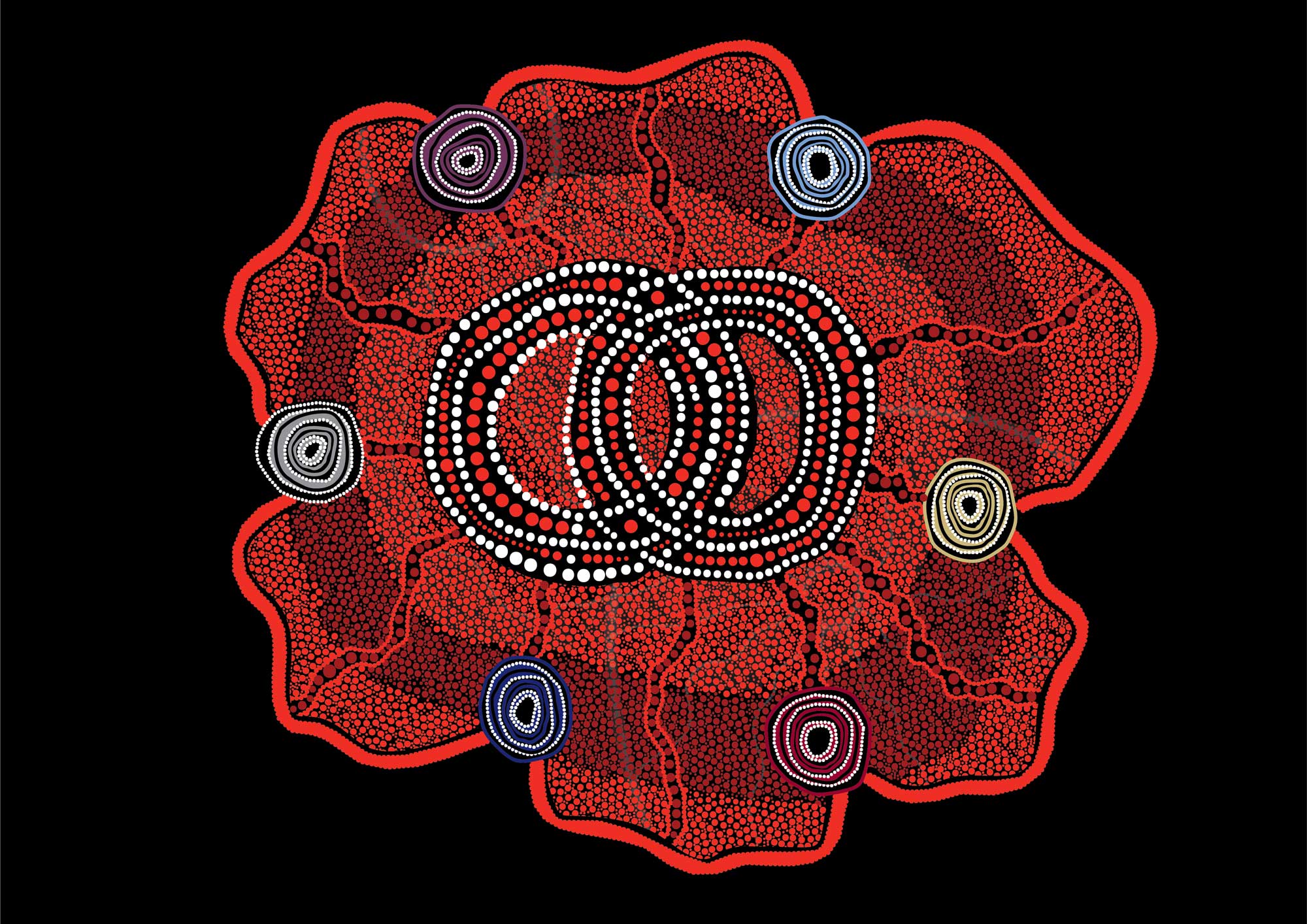
Gamuda is committed to respecting the rights of Indigenous groups according to the United Nations Declaration on the Rights of Indigenous Peoples. We prioritise transparency in our actions, impacts and progress, and always seek their free, prior, and informed consent (FPIC) in any decisions that may affect them. Our initiatives on uplifting Indigenous groups are focused on benefit sharing and cultural preservation. They have enabled us to develop lasting relationships built on mutual respect and trust.
Malaysia
-
Employment opportunities (Orang Asli make up 5.3% of our Malaysia workforce)
-
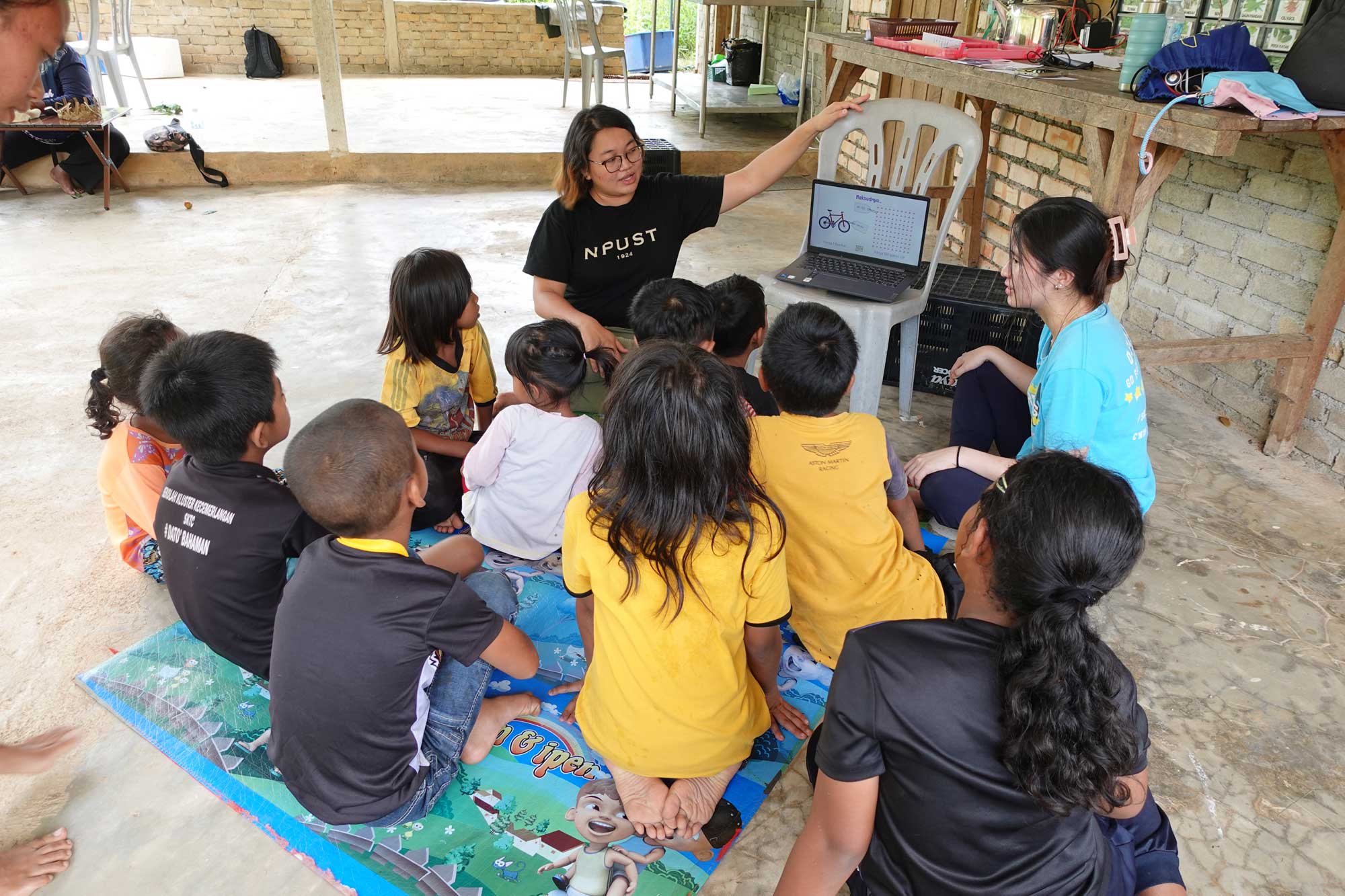
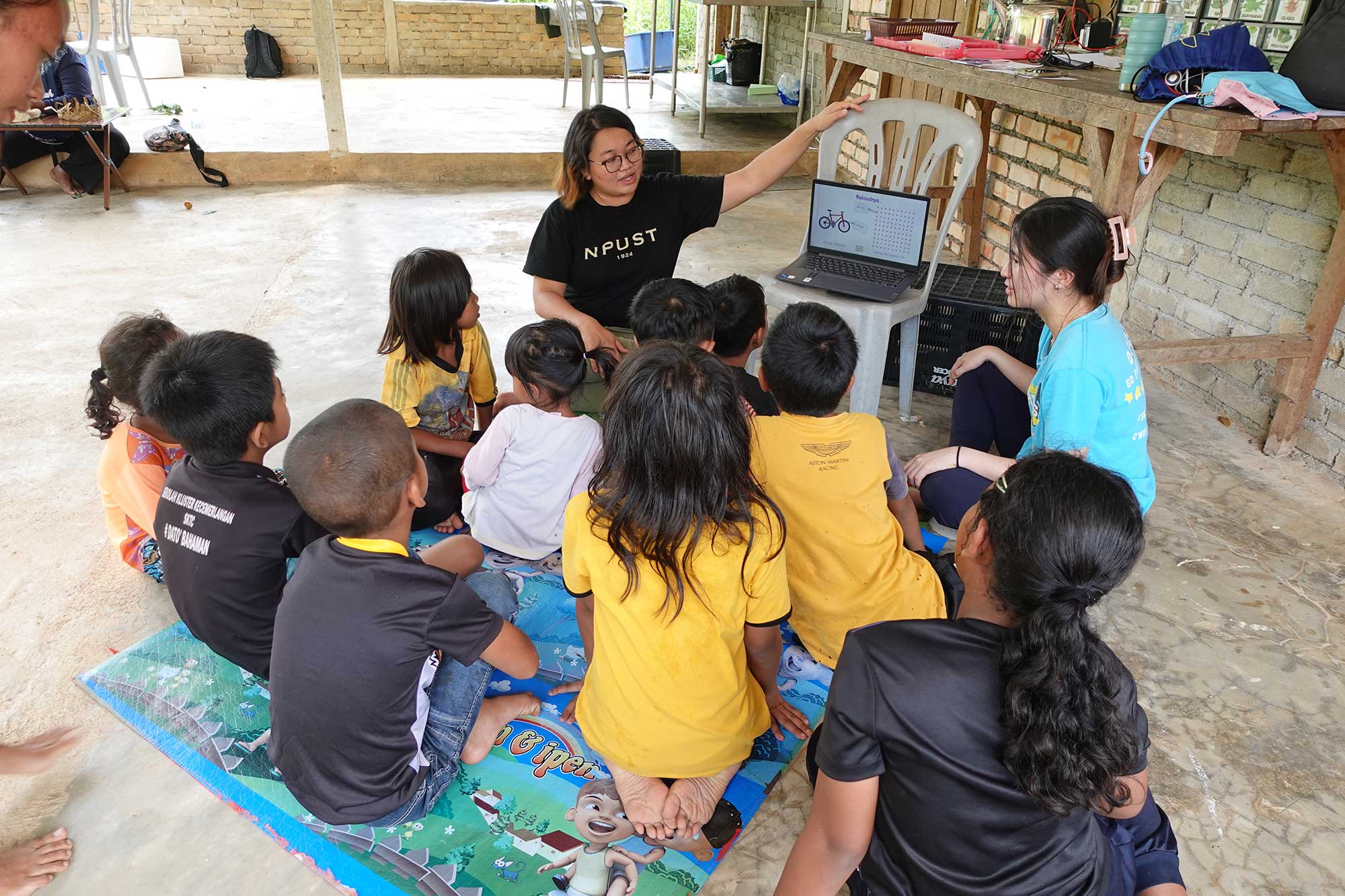
Education through GL Rangers, Gamuda Scholarships, after-school classes and tablets
-
Knowledge transfer and cultural showcases to support sustainable income
-
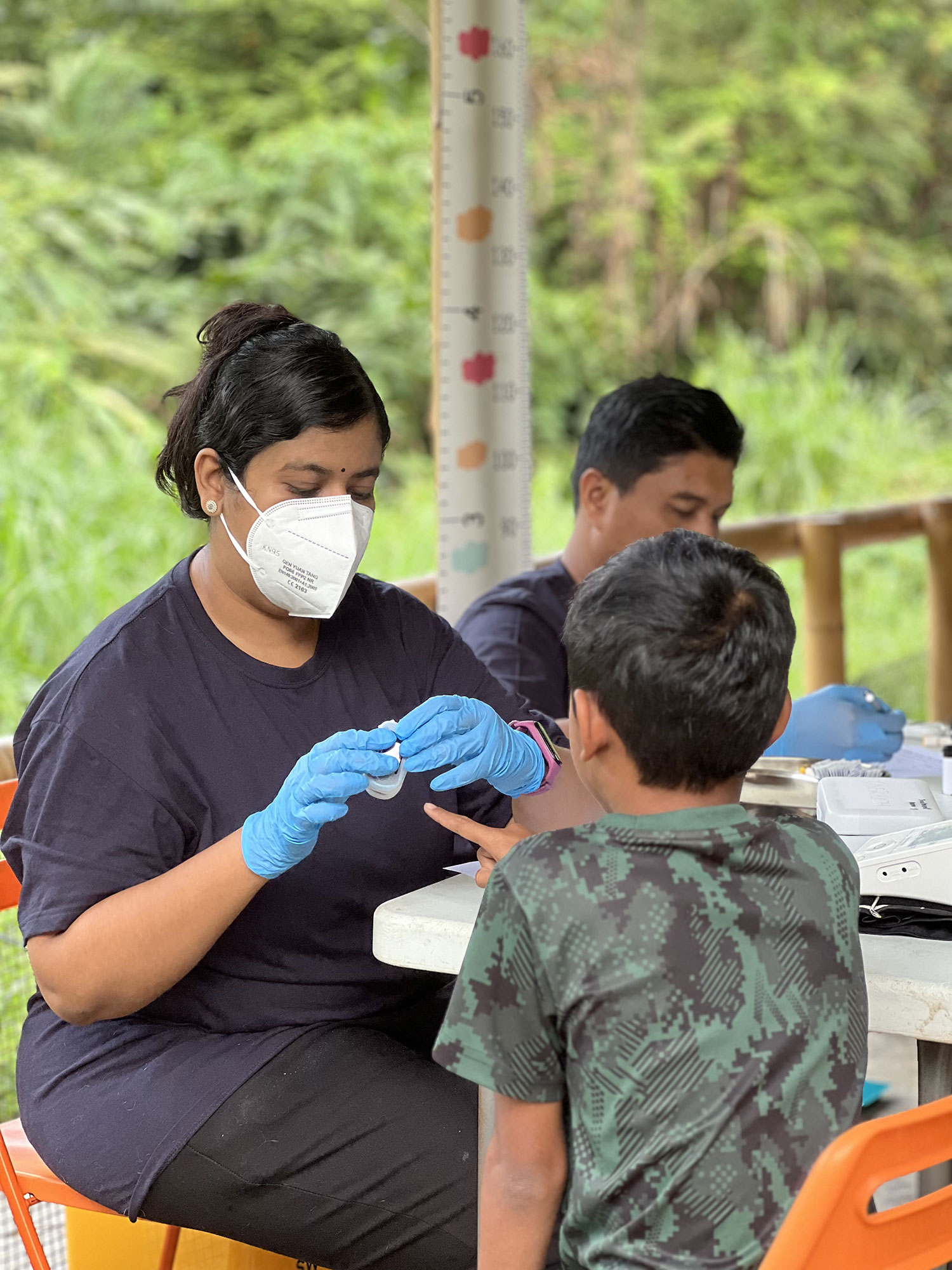
Essential healthcare services
-
Yayasan Gamuda’s Strengths-Based Education programme
-
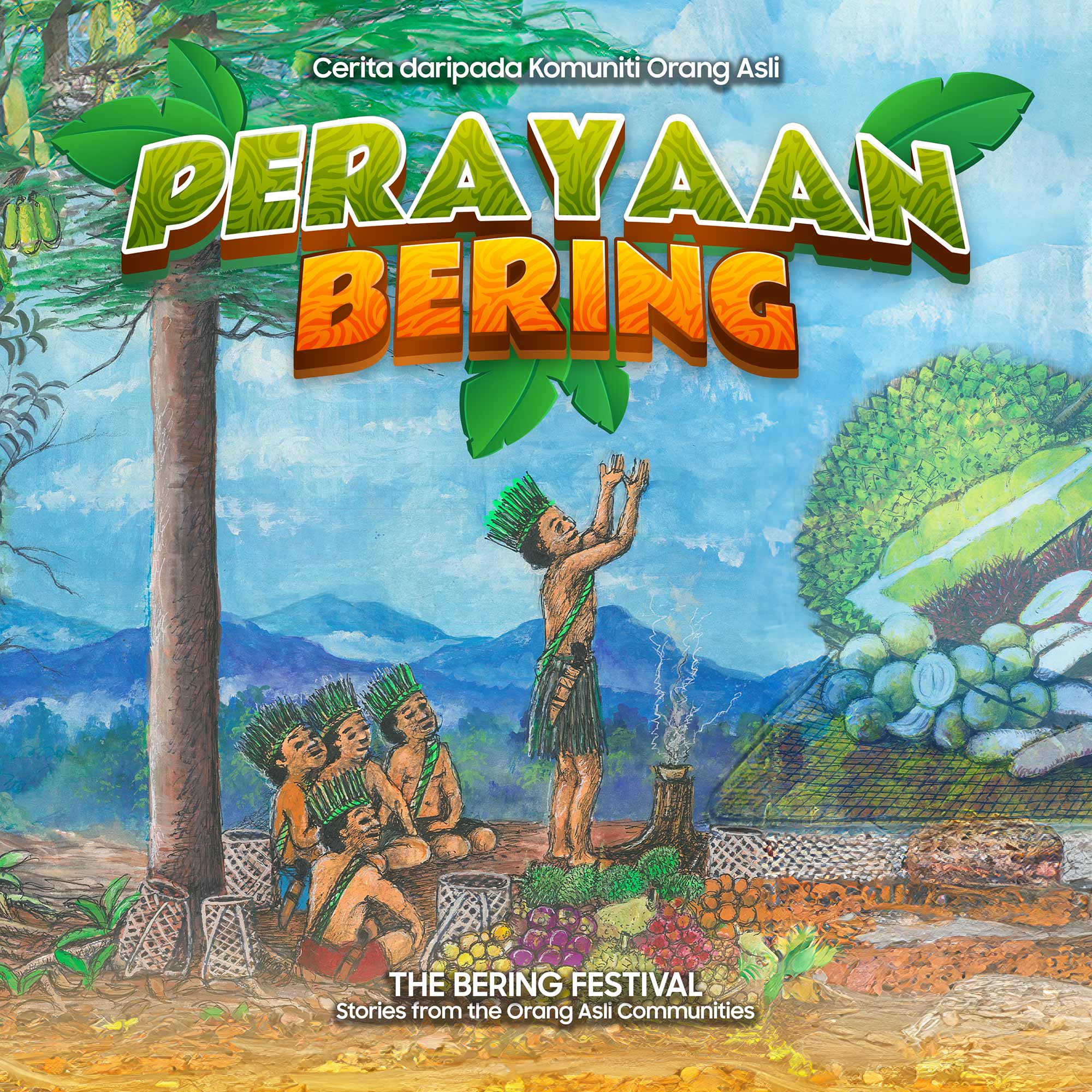
Stories from the Orang Asli Communities
-
Equitable access to employment (Aboriginal peoples make up 2.5% of our Australian workforce)
-
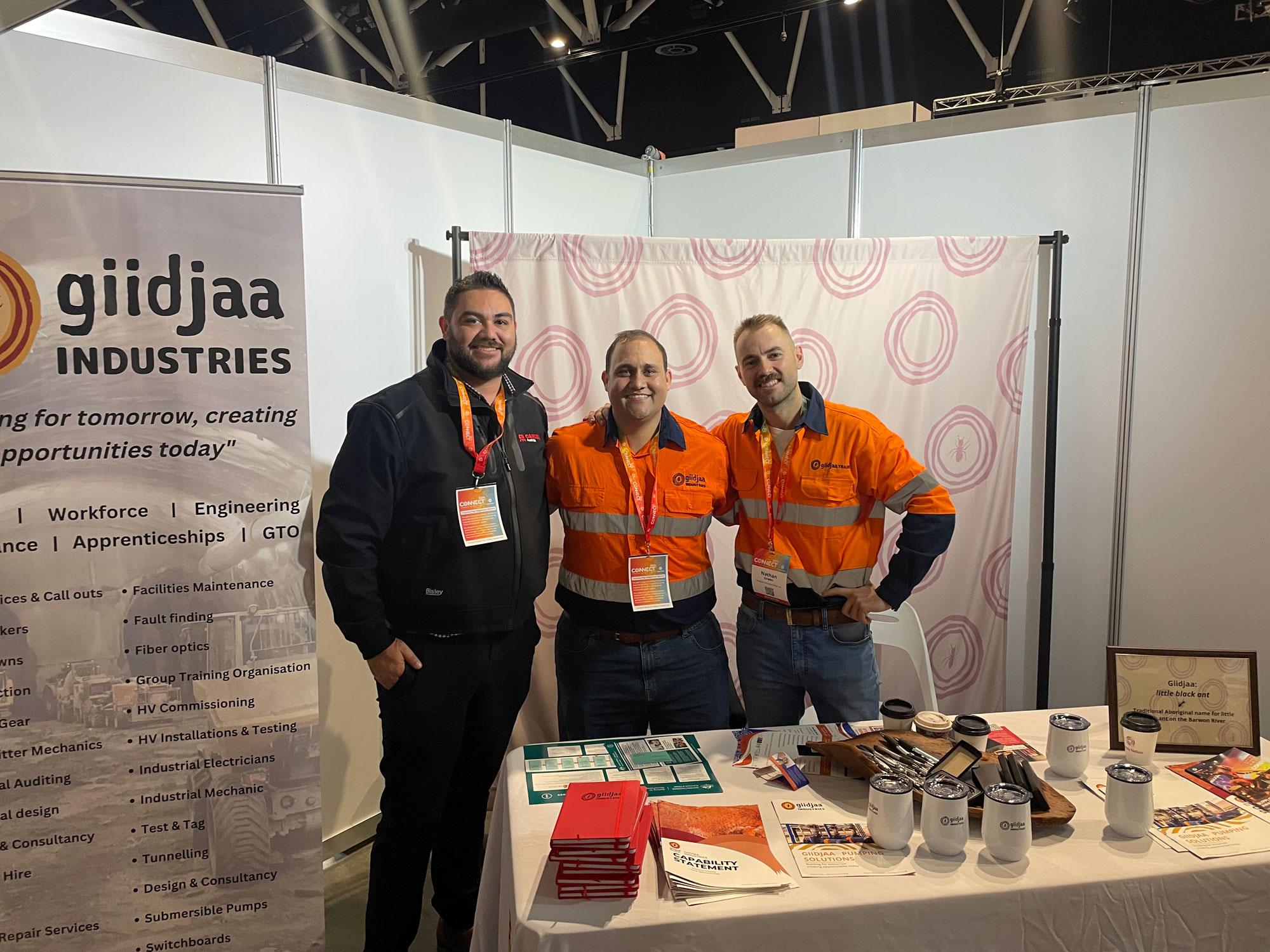
Member of Supply Nation, NSW Indigenous Chamber of Commerce, Kinaway Indigenous Chamber of Commerce, and Yarpa Hub
-
Invested over AUD47 million in 76 aboriginal businesses
-
Reconciliation Action Plan aligned with Federal Indigenous Participation Policy
-
Social initiatives including cultural events and education
Healthcare
Yayasan Gamuda and Gamuda Clinic provide essential healthcare services to Orang Asli and underserved communities, benefiting 3,000 individuals with 420 hours served. Our healthcare outreach focuses on children and self-care, including healthy eating habits and proper dental hygiene, delivering education on these topics to all age groups. We conduct monthly outreach sessions and revisit the communities every three to six months.
Education
The Strengths-Based Education (SBE) programme is developed to empower Orang Asli students and out-of-school youth. The programme focuses on knowledge, leadership, and livelihood capabilities. The SBE Toolkit is used in Community Learning Centres (CLCs) to provide inclusive, high-quality learning for learners aged 5 to 17. We have partnered with three award-winning NGOs to create an ecosystem that reduces barriers for the Orang Asli communities. Since January 2023, we have started teacher training and pilot testing of the Toolkit's modules in CLCs. Additionally, we offer scholarships to deserving Indigenous students with environmental stewardship goals.
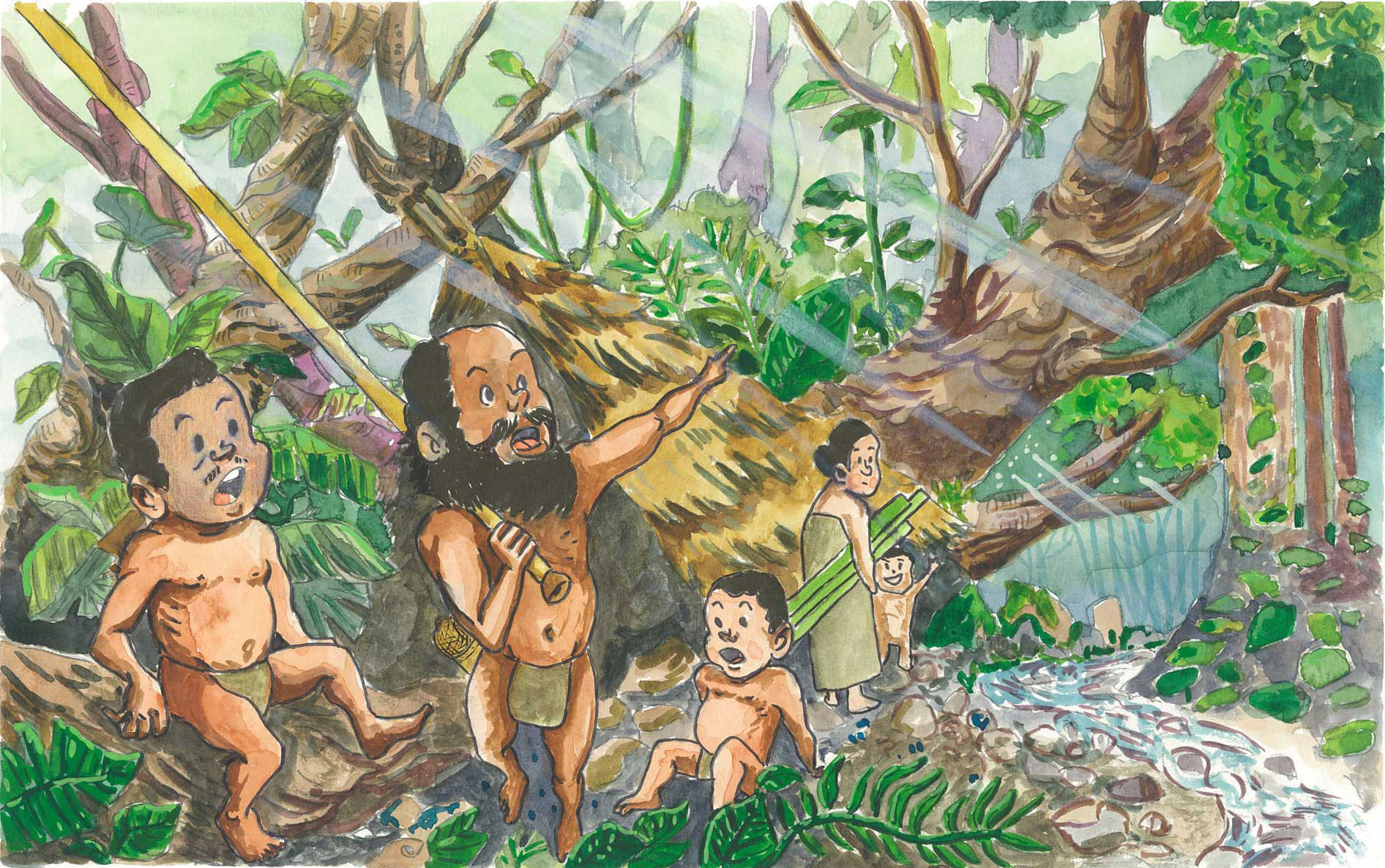
Stories from the Orang Asli Communities
In September 2024, Yayasan Gamuda released the second edition of the Stories from the Orang Asli Communities, featuring six new storybooks told and illustrated by five sub-ethnic groups. Building on the inaugural 2023 publication, the collection enriches the SBE Programme with culturally sustaining learning materials that celebrate indigenous creativity and safeguard oral traditions for future generations.
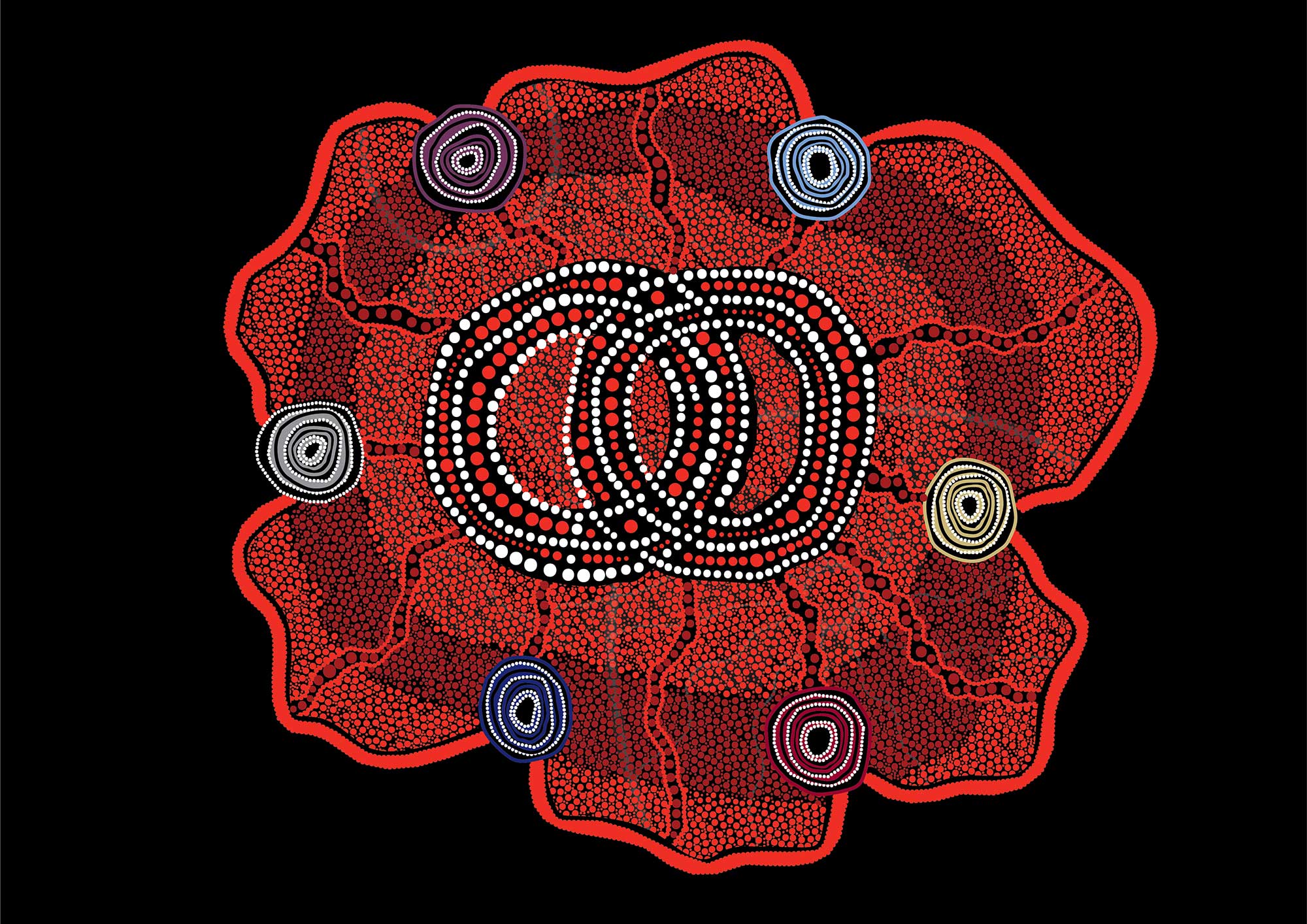
Gamuda's Reconciliation Action Plan in Australia
Gamuda Australia and DT Infrastructure (DTI) are committed to reconciliation with Aboriginal and Torres Strait Islander Peoples.
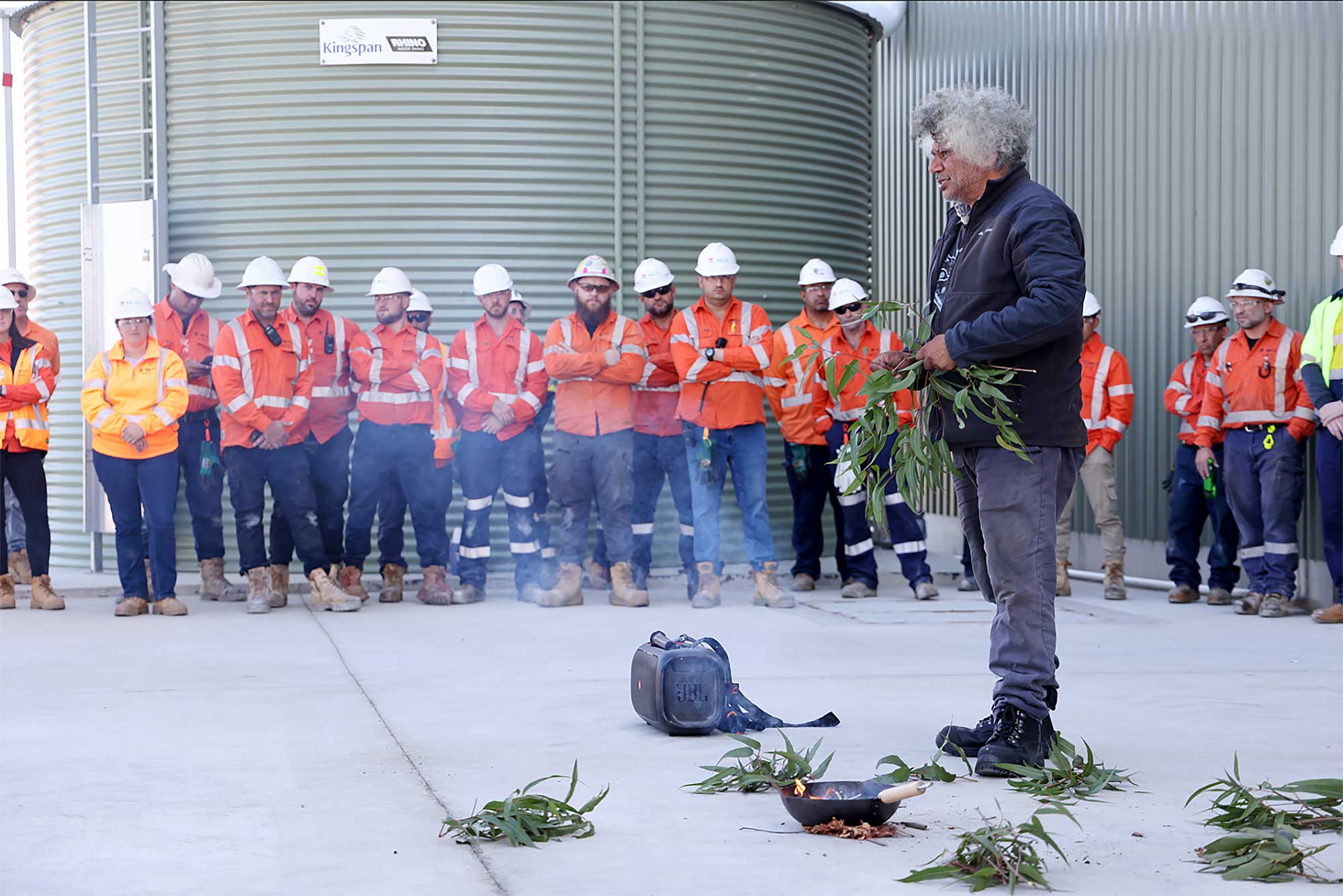
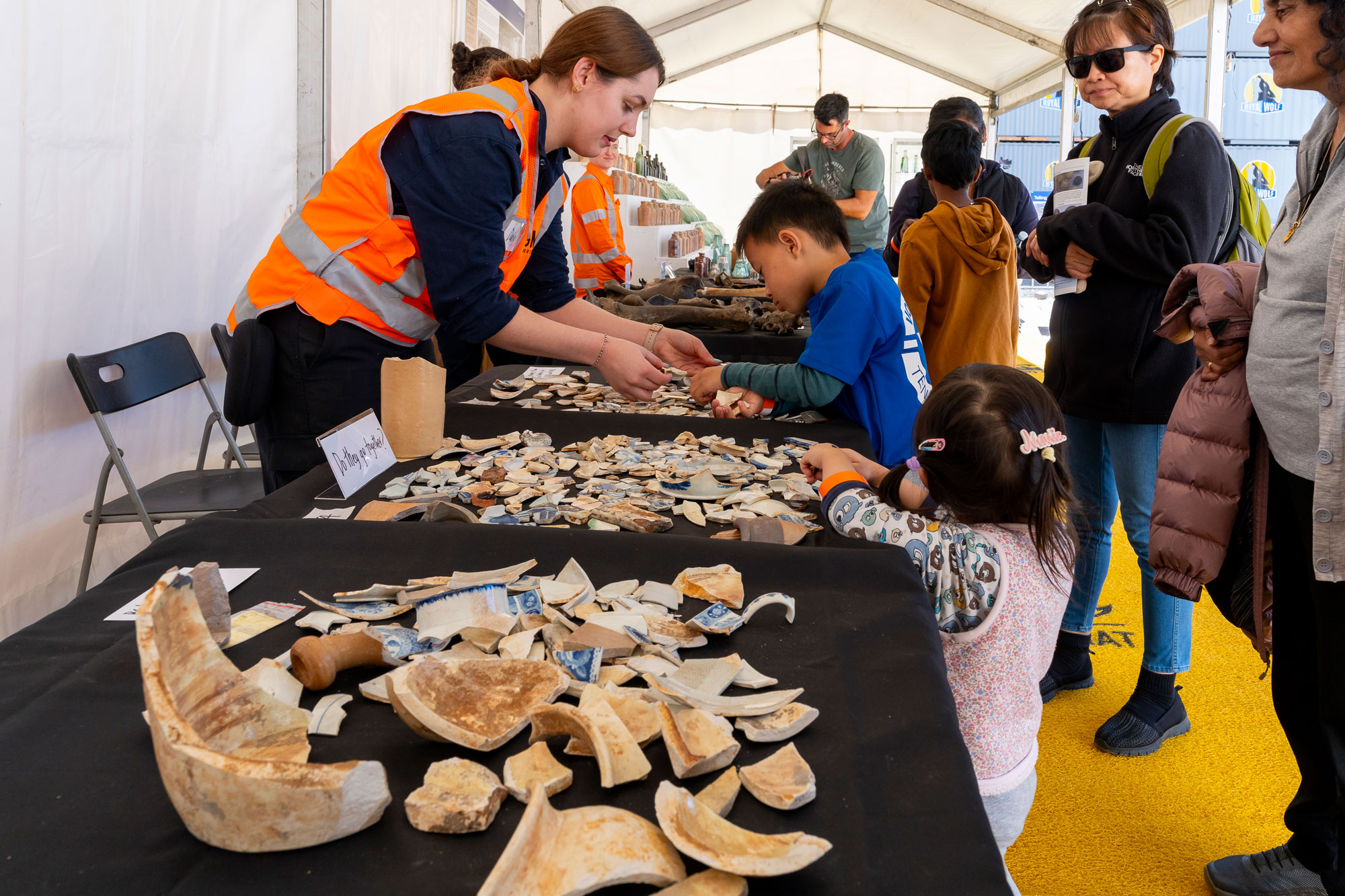
Our Reflect Reconciliation Action Plan (RAP) focuses on building meaningful relationships, supporting Aboriginal and Torres Strait Islander businesses and employment, and respecting Aboriginal and Torres Strait Islander cultures and heritage. In 2024, we launched our second Reflect Reconciliation Action Plan (RAP), which follows our first RAP developed in 2022. This is one of the four types reflected in Australia’s RAP Framework.
Furthermore, DTI has developed and submitted their RAP to Reconciliation Australia for formal review and feedback.
Other initiatives include:
In line with the Indigenous Procurement Policy (IPP) and the Aboriginal Procurement Policy (APP) of New South Wales, Gamuda has allocated over AUD 58 million for 74 Aboriginal businesses across three major projects.
Trade Union – Vietnam
Trade Union – Australia
Trade Union – Vietnam
Trade Union – Australia
Sustainable Design
Driving Innovation with Next-Gen Digital Industrialised Building System (IBS)
We are a leader in designing and using the latest technology and tools across all of our infrastructure and development projects.
Click here for more information.
Case Study: MRT Putrajaya Line
Effective management of large-scale projects involves initiatives for climate adaptation, innovative approaches, geotechnical capabilities, and safety and health. By integrating these elements, projects can be successfully managed, delivering sustainable solutions.
Click here for more information.
-
- Gamuda Cove - Low Carbon City 2030 Challenge With 5-Diamonds Recognition, Malaysian Green Technology and Climate Change Centre (MGTC)
- Gamuda Gardens - Low Carbon City 2030 Challenge With 4-Diamonds Recognition
- twentyfive7 - Low Carbon City Challenge With 3-Diamonds Recognition
- Penang South Island (PSI) - Low Carbon City 2022 Diamond Award for Sustainable Design
ESG Certification
Management Systems
Management Systems
(Australia)
INFRASTAR
(GBI)
(LCCF)
Carbon Certification
(Vietnam)
