

Gamuda’s Tasmania solar and wind projects win Australian govt support with a 15-year revenue safety net
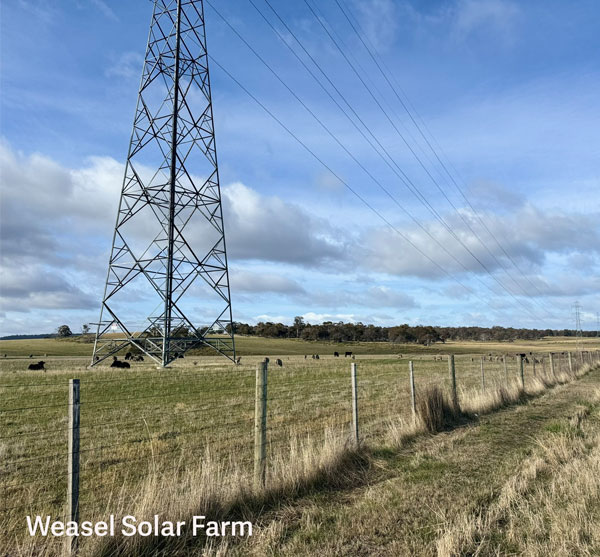
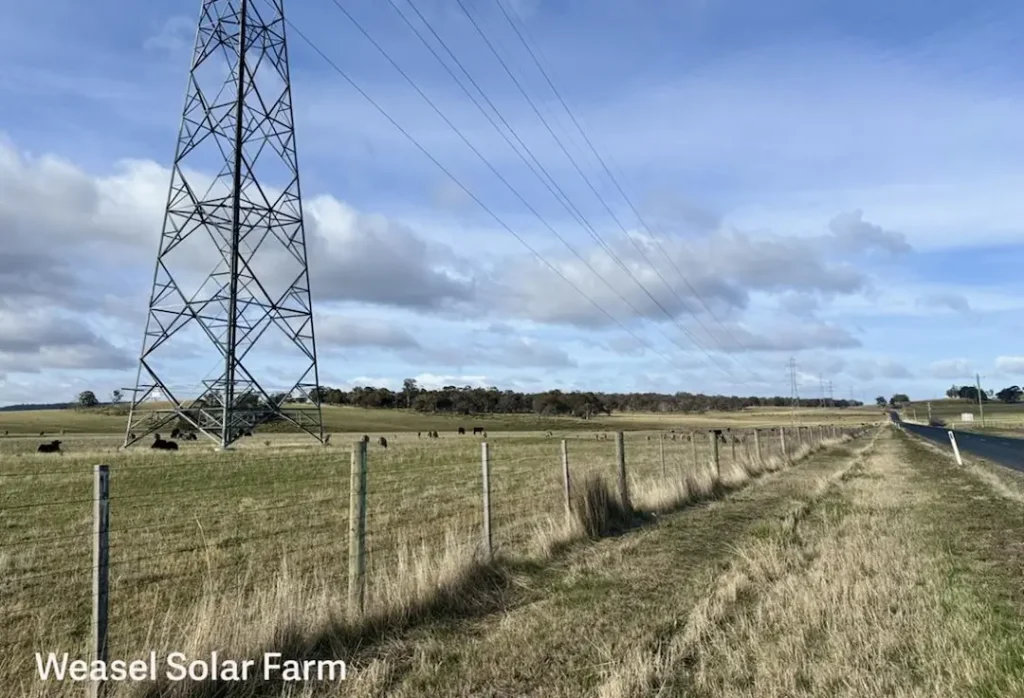
Kuala Lumpur (May 25): Gamuda Bhd (KL:GAMUDA) proposed Weasel Solar Farm and Cellars Hill Wind Farm projects in Tasmania have been selected under Australia’s Capacity Investment Scheme, which reduces investment risk by providing a government-backed revenue safety net for up to 15 years.
Both projects are being developed by Gamuda Renewable Pty Ltd in partnership with renewable energy developer Alternate Path and local landowners, the Downie family. Subject to achieving Final Investment Decision, the construction of the Weasel Solar Farm is expected to begin in early 2027, followed by the Cellars Hill Wind Farm in 2028.
According to a statement on Monday, the company’s two projects were among 19 successful projects selected under the Capacity Investment Scheme (CIS), the Australian government’s revenue underwriting scheme which aims to speed up renewable energy development by making private investment in clean energy more secure.
Gamuda’s projects were the only two Tasmanian projects selected.
Gamuda said the successful bid aligns with Tasmania’s Renewable Energy Transformation Agreement, which secures around 1,200 megawatts (MW) or 4.0 terawatt-hours of committed CIS capacity exclusively for Tasmanian projects.
The portfolio comprises the proposed 200MW Weasel Solar Farm and the 341MW Cellars Hill Wind Farm, both of which will connect to an existing on-site 220 kilovolt transmission line.
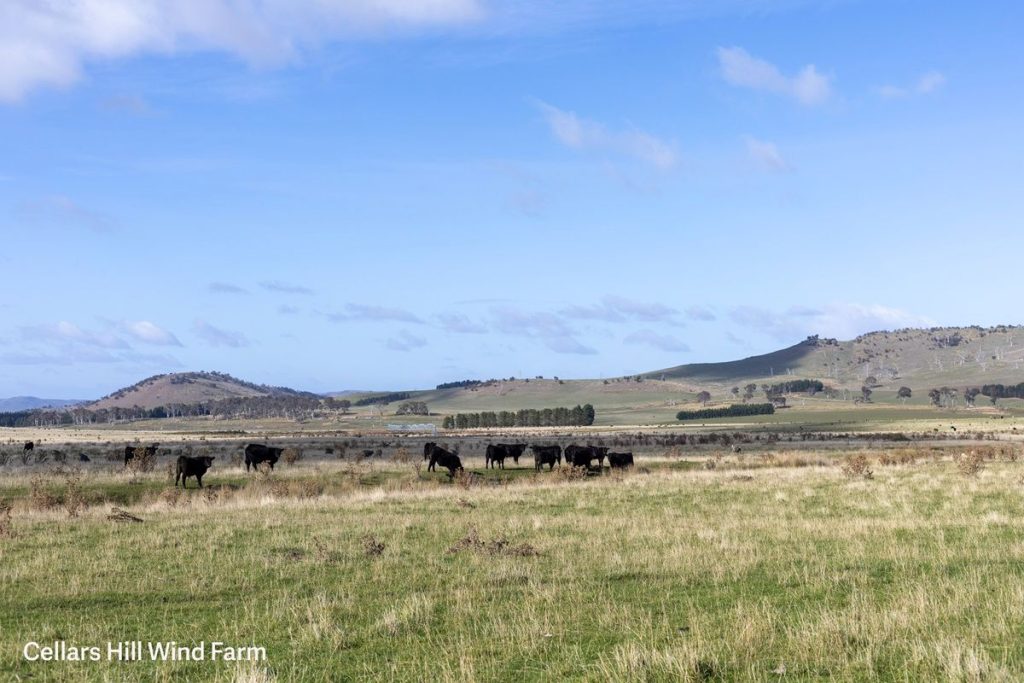
The projects are part of a broader renewable energy portfolio in Central Tasmania that Gamuda agreed to co-develop with the Downie family in 2025.
Under the earlier agreement, Gamuda secured development rights for current and future renewable energy projects with a combined capacity of more than 600MW of wind and solar generation and up to 600MW of battery energy storage systems.
Gamuda Australia chief strategy and development officer Jarred Hardman said the CIS outcome reflected the strength of the group’s renewable energy project pipeline and its long-term commitment to renewable energy infrastructure development.
“Our Central Tasmanian projects represent our first Australian investment, which perfectly fits Gamuda’s renewable strategy to become a leading end-to-end developer, builder, and owner of renewable assets,” he said.
Alternate Path executive director Andrew Clark said the successful bids demonstrated the benefits of co-locating solar and wind projects using the same connection point.
“What this CIS success demonstrates is that when projects are built on genuine landowner partnership and community trust, they are more competitive — not less. Together, we are delivering something the Central Highlands community can be proud of for generations,” he said.
Gamuda is developing several renewable energy projects in Australia.
These include the Smoky Creek and Guthrie’s Gap solar projects, which combine solar power with battery storage and can generate up to 720MW of electricity and store up to 2,400MWh of energy. Other projects include the 75MW Jinbi Solar Farm in Western Australia, the Marinus Link transmission project between Tasmania and Victoria, and wind and solar farms such as Carmody’s Hill, Goulburn River, and Boulder Creek.
Gamuda currently has a four-gigawatt renewable energy pipeline spanning large-scale solar, wind, hydro and battery storage projects across Malaysia and Australia.
Gamuda’s share price was 0.91% lower to RM4.36 a share, valuing the group at RM25.93 billion.