


Preparing The Ground For Western Australia’s Future
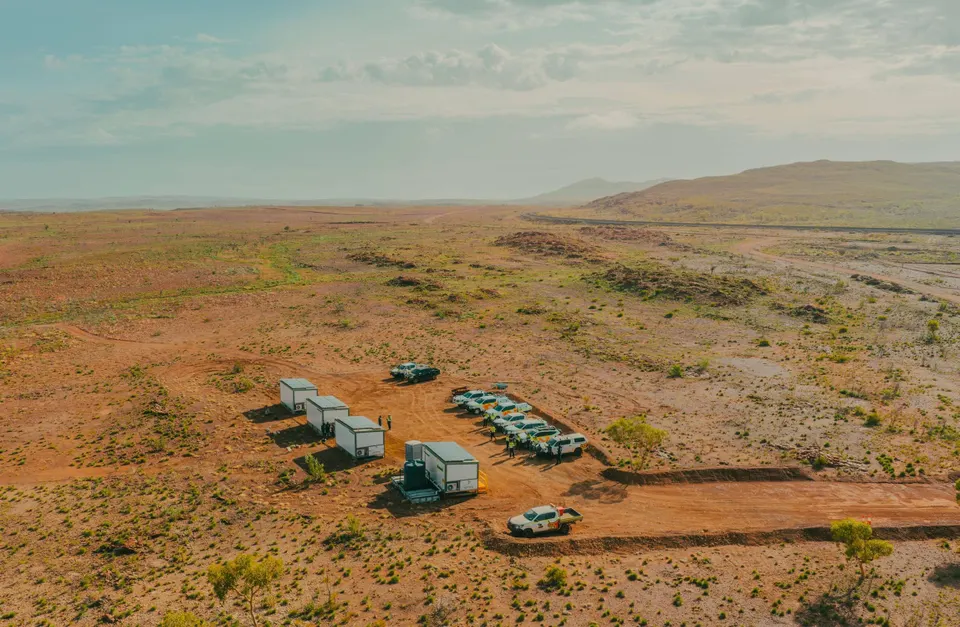

As Western Australia’s energy, Defence and transport ambitions converge, DT Infrastructure (DTI) is already delivering for clients throughout the state while growing its capability to support their future ambitions.
Western Australia has compelling reasons to build. Resource companies in the Pilbara, the state’s vast mining region in the northwest, are turning to renewable power to decarbonize their operations. Defence investment is creating demand for specialist infrastructure at a scale not seen before. Rail networks need to be renewed and upgraded while continuing to move the people and commodities the nation’s economy depends on.
What will decide how much of that pipeline gets built, and how fast, is deliverability. DTI believes that makes the contractor’s role clear: to shape projects for construction from the very start. It’s an approach being led in the West by DTI’s Mike Rinaudo, General Manager – Western Australia and Defence, and Paul Hawthorne, Executive General Manager Rail.
Getting Ahead Of Demand
Rinaudo recently spoke at the fourth Western Australia Defence Summit in Perth. He sees major opportunities in infrastructure associated with AUKUS and the Henderson precinct expansion, in addition to work underway to enhance container trade in the region with the Westport program.

“These initiatives require significant scale, and as the demand on industry increases, the local industry will need to match the scale through growth and partnerships,” he says.
Delivering Defence infrastructure demands a specialized focus on operational readiness, with function and adaptability guiding design and construction. Rinaudo’s perspective draws on more than 35 years across defense, aviation and civil infrastructure, including a decade in the Royal Australian Air Force.
For DTI, the priority is making sure that understanding runs deep across the team, not just at the top. “While our Defence capabilities are already strong, continuing to develop and secure that sector-specific talent is a clear priority to ensure we are fully prepared as major Defence projects ramp up across the state,” Rinaudo says.
Beyond defence, DTI is leveraging more than two gigawatts of renewable projects currently in delivery to capture emerging energy opportunities in Western Australia, spanning industrial decarbonization, broader network transmission and regional communities.
Making The Numbers Work
As price reductions of equipment slow, renewable energy projects depend increasingly on controlling civil and electrical costs and improving construction productivity. “The bottleneck in converting renewable energy pipelines into committed capital isn’t a lack of capital or ideas, it’s getting projects bankable and constructable,” Rinaudo says.
DTI’s response is to bring construction expertise into planning to test designs and resolve remote logistics before capital is committed. Repeating designs and work methods across developments helps retain experienced teams and gives suppliers clearer visibility of future demand.
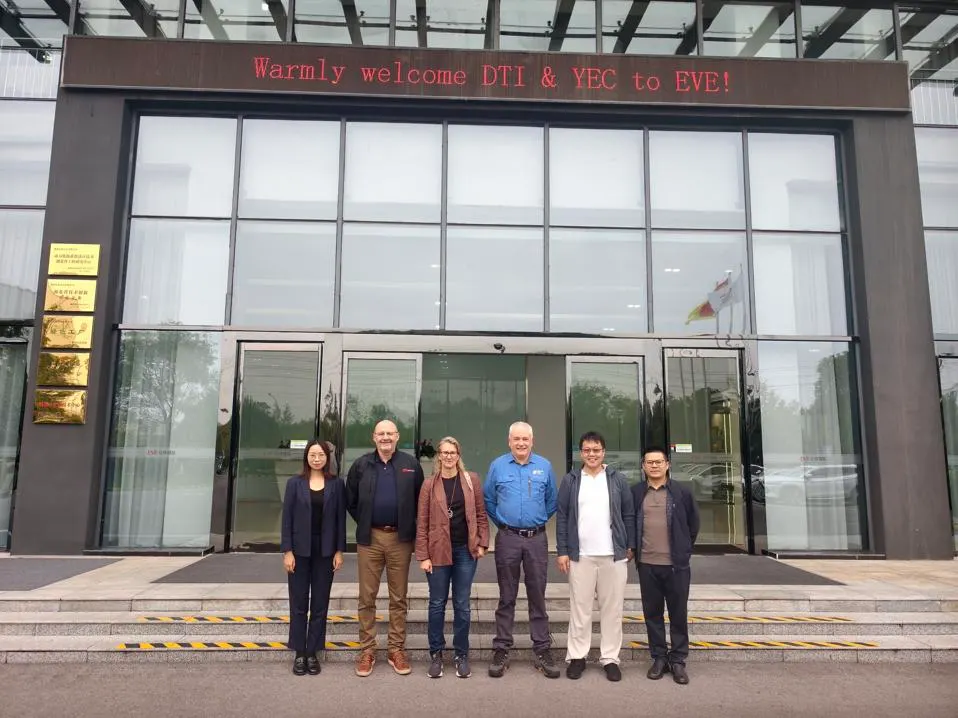
That early planning also draws on regional expertise. At the 75-megawatt Jinbi Solar Farm that DTI is delivering for Yindjibarndi Energy Corporation (YEC)—a partnership between Yindjibarndi Aboriginal Corporation and international renewable energy company ACEN—potential partnerships with companies such as Yurra, a Yindjibarndi-owned construction and maintenance company, create opportunities to bring local knowledge and experience to the work.
“Early engagement is the critical factor for success,” Rinaudo says. “By involving Indigenous-owned businesses early in the planning process, we can structure packages that help them expand their capacity and scale their operations alongside us.”
Once operational, Jinbi will supply renewable electricity to Rio Tinto’s regional power network. Developing local skills can also position the Yindjibarndi community for ongoing operations and maintenance.
“This isn’t just about building infrastructure, it’s about working with the Yindjibarndi people to grow local skills, build capability and enable them to lead future operations,” says Rinaudo.
Every Hour Of Access Counts
Across Western Australia’s rail networks, deliverability often comes down to time, and the challenge is to renew and upgrade infrastructure while keeping passengers and freight moving.

“Whether in heavy-haul freight or operational passenger networks, access windows to perform critical maintenance are a priority,” says Hawthorne, whose more than 30 years in rail include senior roles at Network Rail, Rio Tinto and High Speed Two in the U.K. “Time is a precious commodity and clients are understandably prioritizing efficiencies in delivery methods, productivity and some lateral thinking to maximize time on the network.”
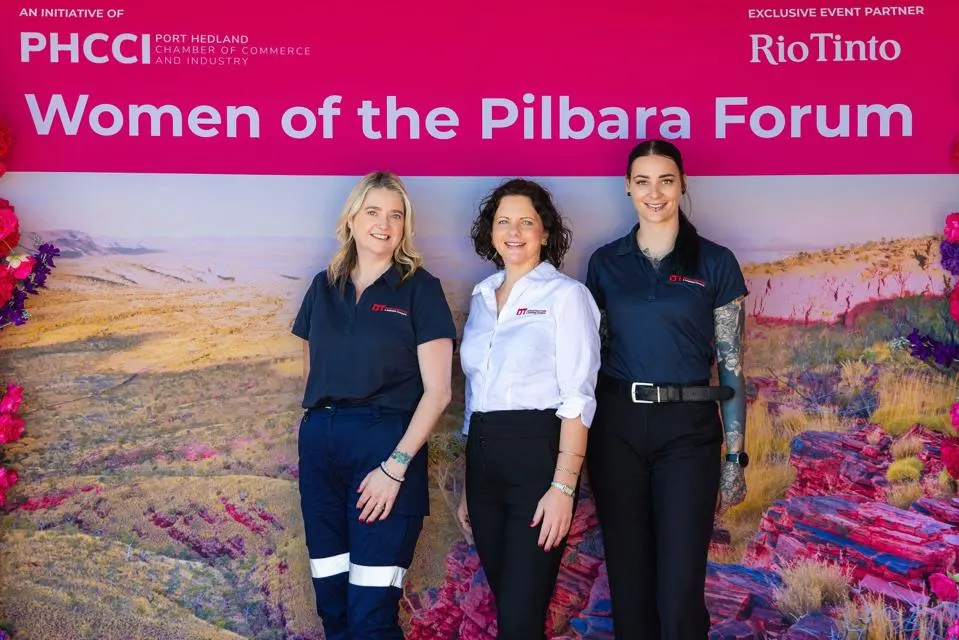
In the Pilbara, remote logistics and demanding conditions make preparation critical: teams must assess assets, select interventions and have people and equipment ready when track access begins. That work is led by Kate James, Operations Manager – Rail West, who brings deep track and civil expertise to heavy-haul maintenance and renewals. DTI pairs its teams’ knowledge of local conditions with engineering specialists and equipment from across its national business. This supports work that ranges from heavy-haul maintenance and renewals to regional freight, passenger networks and stations.
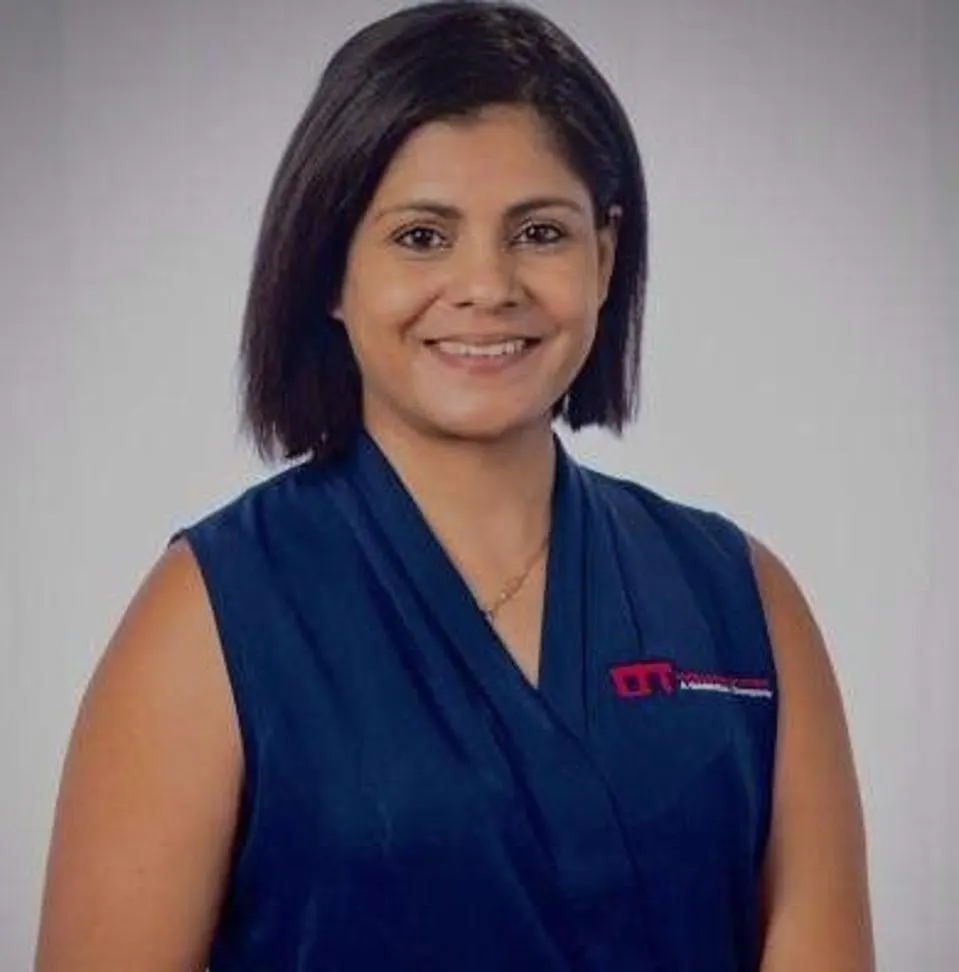
In Perth, DTI is working with the Public Transport Authority and Alstom Transport Australia on High-Capacity Signalling, introducing modern train control systems while the railway continues carrying passengers. At the helm of that project is Sukhwinder Kaur, Delivery Director, whose rail systems engineering expertise is central to upgrading a live passenger network.
Hawthorne says both leaders exemplify the skills DTI is instilling across its rail team. “They are client-focused and genuinely curious about solving our clients’ underlying challenges,” he says. “In doing that, they consistently find ways to challenge the status quo if it means delivering a safer or more efficient outcome for our clients.”
What Comes Next
Across all three sectors, the same conclusion keeps coming back: deliverability depends on people. Rinaudo’s priorities for the next three to five years are specialist skills, retaining teams who thrive in remote locations and enduring regional relationships. “Ensuring we have the right people allows us to prioritize early engagement and build genuine, long-standing partnerships with clients, Indigenous enterprises, local suppliers and industry stakeholders,” he says.
The projects that succeed will be the ones shaped early by teams who know the conditions and the communities they’re building in.