Orang Asal refers to the Indigenous peoples of Sabah, Sarawak, and Peninsular Malaysia, while Orang Asli specifically refers to the Indigenous peoples of Peninsular Malaysia.
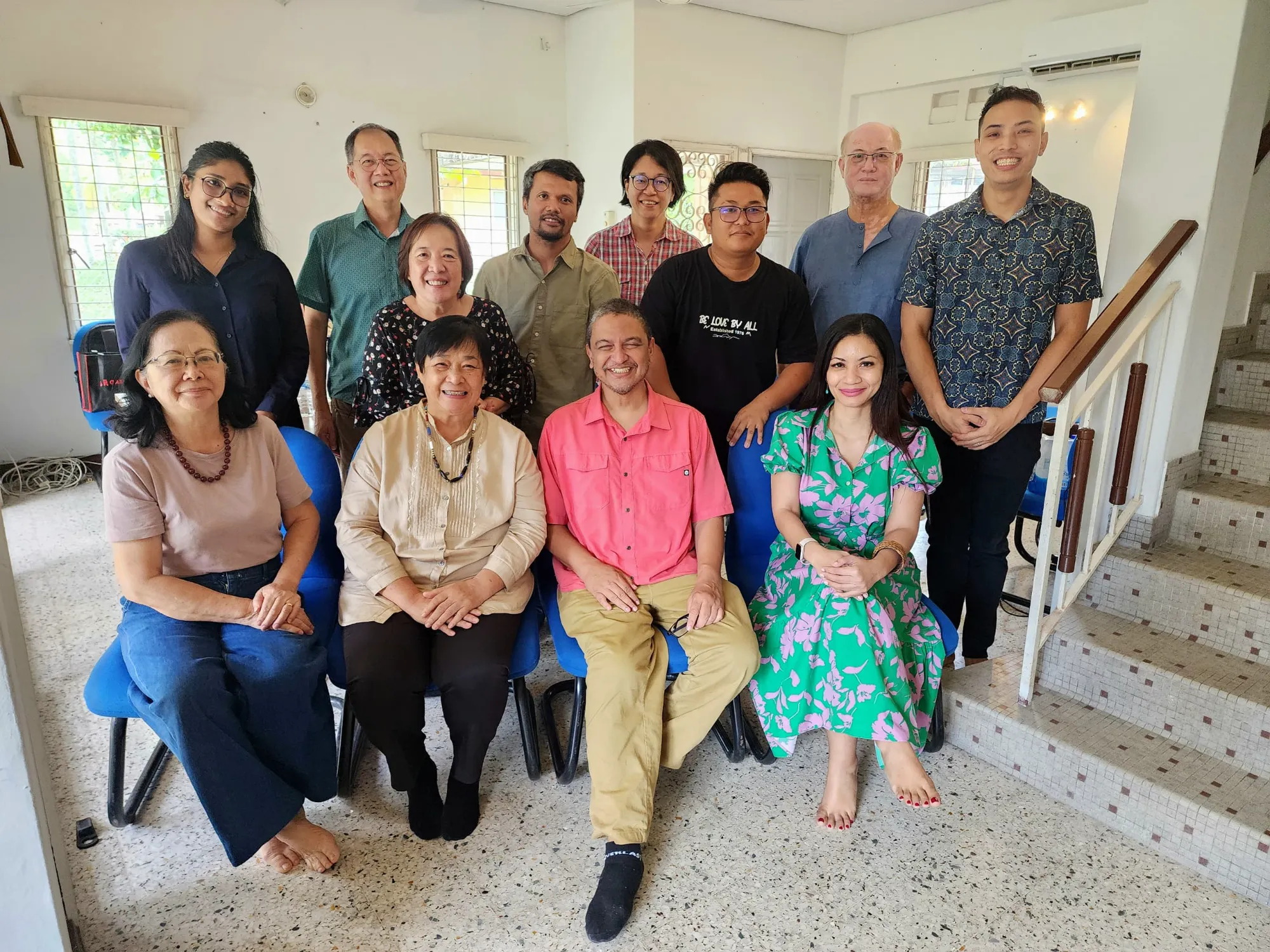
[Standing, third from left] Dr Ho Sook Wah (Yayasan Gamuda Orang Asli Education Head) with Indigenous leaders, and thought leaders in Orang Asal research and community development, at Universiti Malaya’s Centre for Malaysian Indigenous Studies (CMIS) during the first meeting held to discuss the framework.
In today’s rapidly globalising world where the pressure of being assimilated grows stronger daily, Malaysia’s Orang Asal communities find that they are gradually losing their identity, traditional practices and communal leadership approach.
“A disconnection and rejection of traditional cultural practices by the younger generations has dismantled the governance system of the Orang Asal communities,” said Dr Kamal Solhaimi Fadzil, Universiti Malaya’s Centre for Malaysian Indigenous Studies (CMIS) Director.
To help preserve the Orang Asal’s unique leadership approach, Yayasan Gamuda (YG) is co-developing an Orang Asal Leadership Framework. This initiative brings together Indigenous leaders, and thought leaders in Orang Asal research and community development, including Center for Orang Asli Concerns (COAC), PACOS Trust, Yayasan Kajian dan Pembangunan Masyarakat (YKPM) and CMIS.
First-of-Its-Kind
The first engagement session for this pioneering framework was held at the CMIS in April 2025, bringing together Iban, Kadazan, Kelabit, Semai, Semelai, Temiar and Temuan leaders to begin shaping the framework.
“This is an important milestone for this is the first time a group of Indigenous leaders, and leading experts in Orang Asal research, advocacy and community development have come together to co-create a framework like this,” said Dr Ho Sook Wah, Yayasan Gamuda’s Orang Asli Education Head.
After the first meeting, Dr Ho, Dr Suria Angit (a University of Nottingham Malaysia Assistant Professor from the Temiar sub-ethnic group), and Mahat A/L China @ Akiya (a writer from the Semai sub-ethnic group) drafted the framework statements. The first draft has been shared with the core group that was present during the first meeting, for accuracy verification and appropriateness of wording before the next engagement is organised.
Anne Lasimbang, PACOS Trust Executive Director, who is from the Kadazan sub-ethnic group praised YG’s initiative in providing and facilitating the space for them to connect the dots of their cultural practices, traditional way of life and collective leadership to the foundational values and principles defining their identity.
“We need a bendera which articulates our identity and unites us,” expressed Mahat.
Unlike mainstream leadership, which prioritises individual achievement and hierarchical structures, Orang Asal leadership emphasises collective responsibility, that is, everyone is responsible for another’s well-being– nature, humans and animals.
This Leadership Framework is woven into YG’s Strengths-Based Education (SBE) Programme for Orang Asal children aged six to 12. The broader vision is to equip them to be the leaders of tomorrow, who are rooted in their cultural identity, knowledge and values, and committed to transforming their communities for a sustainable future.
This follows the SBE’s “Stories from the Orang Asli Communities” publications by YG in 2023 and 2024 to preserve and honour the oral traditions and Indigenous wisdom of the Orang Asli communities.
Far-Reaching Impact
Always seeking respectful ways to collaborate with the communities, YG sees this as meaningful citizen empowerment – recognising the Orang Asal as change agents.
Celebrated artist Shaq Koyok from the Temuan sub-ethnic group will visually interpret the framework pro bono, bringing it to life.
Dr Colin Nicholas, a leading expert in Orang Asli research and advocacy from COAC, believes in the framework’s pivotal role: “The third and fourth generations are the ones who are feeling loss. The Orang Asal Leadership Framework will be something they can refer to, to connect them back to their identity.”
Dr Suria added that the framework will “future-proof different leadership structures in the changing landscape of the Orang Asal communities.”
The framework will undergo extensive community consultations, ensuring it authentically represents Indigenous perspectives, before being finalised and made public in Q3 2026.
What is the Strengths-Based Education Programme?
Yayasan Gamuda’s Strengths-Based Education (SBE) Programme seeks to empower Orang Asli children and youth – those in school and out-of-school. The SBE Toolkit is used in Community Learning Centres (CLCs) to develop learners’ knowledge, leadership, and livelihood capabilities.
Yen So’s park and lakes blend urban regeneration with masterful township planning.
Today, if you visit it, you could never imagine what it looked like a decade ago.
We use tracking technologies to collect data relating to you to perform analytics, provide you with tailored content and ads based on your interactions on this and other sites or apps and allow you to share content on social media. By clicking on [Accept] you consent to this and to the sharing of this data with our partners. You can change your mind at anytime. Click here to find out more about our practices.
You can choose which analytical, functionality and targeting cookies we can set by clicking on the button(s):
However, if you use your browser settings to block all cookies (including strictly necessary cookies) you may not be able to access all or parts of our website.