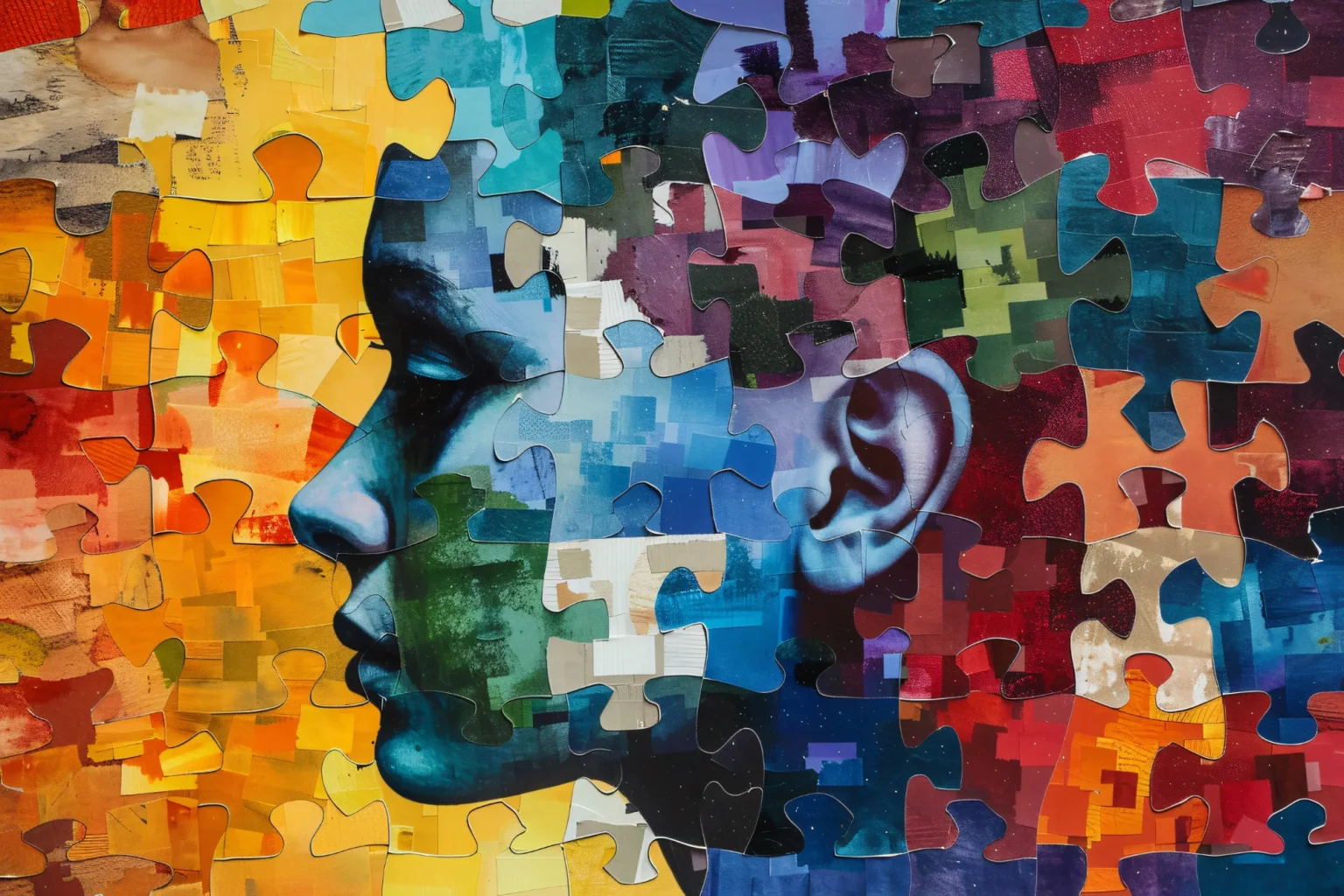


As we mark World Mental Health Day on October 10th, we are called to reflect on this year’s powerful theme: “Together We Thrive.” It’s a phrase that evokes images of community, connection, and shared support.
Yet, as a counsellor, I’ve learned that the path to thriving is often paved with a deeply personal, and sometimes solitary, journey. My own journey into this field was rapid and intense, beginning later in life than most.
But as they say, better late than never. The fulfillment I’ve found in walking alongside others on their path to healing is immense. However, today, my reflection isn’t about my professional story, but a personal discovery that has reshaped my understanding of what it truly means to thrive, both individually and collectively.
This realisation arrived, as many do, with uncanny timing. I was listening to a YouTube reel inspired by Maya Angelou, titled “Why Staying Home Is the Best Thing You Can Do.”
The message wasn’t about isolation or withdrawal, but about the profound power of solitude, self-respect, and creating a sanctuary within oneself. It spoke of protecting your energy, embracing silence, and focusing on personal growth.
It was a powerful reminder that sometimes, the most radical act of self-care is to simply come home, to yourself.
This concept is the foundation upon which “Together We Thrive” is built. For an individual, thriving begins with this internal homecoming. It is the conscious decision to stop seeking validation externally and to build a foundation of self-worth from within.
In a world that glorifies being perpetually busy and connected, choosing solitude can feel counterintuitive. We are conditioned to equate being alone with loneliness. But as Angelou’s wisdom suggests, it is in these quiet moments that we heal, reflect, and recharge.
It is where we learn to enjoy our own company, set healthy boundaries, and find peace not in the absence of chaos, but in our ability to remain calm amidst it.
This is not isolation; it is the essential groundwork for mental strength. An individual who has made peace with their own company is not a solitary island, but a stable, resilient mainland, ready to connect with others from a place of wholeness, not neediness.
When an individual finds this inner stability, it revolutionises the family dynamic. A family is a system of interconnected energies. When one member is constantly depleted, anxious, or emotionally reactive, the entire system feels the strain.
By learning to “stay home” in a metaphorical sense, by tending to their own mental and emotional garden, an individual brings a calmer, more centred presence to their family. They are less likely to react from a place of stress and more capable of responding with empathy and patience.
This models a vital lesson for children and partners: that it is okay to prioritise your inner peace. It teaches that taking time for oneself is not selfish, but a prerequisite for being a healthy, supportive part of a family unit.
This creates a home environment where everyone has the permission to recharge, fostering a truly thriving family culture built on mutual respect for individual well-being.
The ripple effect continues into our organisations and corporations. We often speak of creating psychologically safe workplaces, but we cannot build them without psychologically safe individuals.
Going by this, these days I don’t look for company and when it comes my way, I am selective and have learnt to say no without guilt.
The principles of “staying home”, protecting one’s energy, avoiding unnecessary drama, and focusing on personal growth are the very skills that make a healthy workplace. An employee who has strong boundaries is less susceptible to burnout.
A leader who practises self-reflection is more likely to be an empathetic and effective manager. A culture that values deep work and focus over constant, draining collaboration is one that fosters innovation and resilience.
For a corporation to truly embrace “Together We Thrive,” it must move beyond superficial wellness initiatives and create an environment that respects the individual’s need for mental space.
This means encouraging genuine breaks, discouraging a culture of constant availability, and recognising that an employee’s quiet reflection is not idleness, but a form of productivity.
When an organisation respects the inner world of its employees, it cultivates a workforce that is not just present, but engaged, creative, and resilient. They are not just a collection of individuals, but a powerful, thriving collective.
This World Mental Health Day, let us remember that the “together” in “Together We Thrive” is not just about physical proximity or constant communication. It is about creating a world where every individual is empowered to build a strong inner home.
It begins with you, extends to your family, and ultimately transforms our communities and corporations.
By honouring our need for solitude, we are not disconnecting from the world, instead, we are preparing ourselves to engage with it more fully, more compassionately, and more powerfully. Let us all take a moment to come home to ourselves, for it is from that place of inner peace that we can truly, and together, thrive.
DID YOU KNOW?
The green ribbon is the international symbol of mental health awareness. It represents hope, support and the importance of breaking the stigma surrounding mental health, encouraging open conversations and reminding everyone that it’s okay to seek help.
To complement her pivotal role in project delivery as General Manager of Strategic Stakeholder and Communications at SRS Consortium, Dr Bhavani Krishna Iyer is completing the final milestone of her clinical practice to formalise her registration with Lembaga Kaunselor Malaysia (LKM).