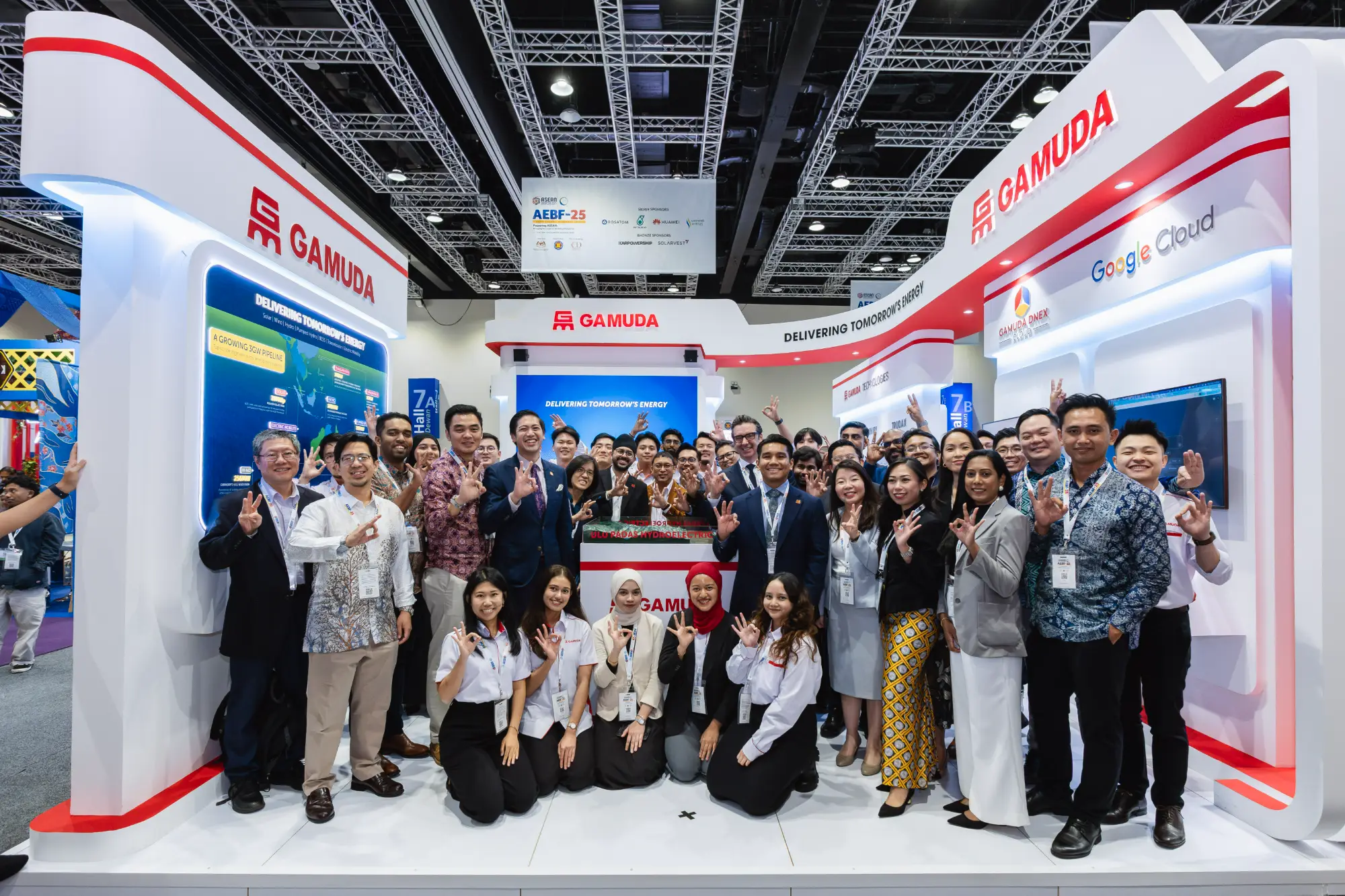


The global environment is currently defined by the intersection of two critical forces: the geopolitical urgency of ASEAN’s quest for energy security and the immense engineering challenge presented by the need for rapid green transition. The International Energy Agency projects that ASEAN alone will account for 25 percent of the increase in global energy demand by 2035. With that in mind, Gamuda took to the stage during the ASEAN Energy Business Forum 2025 (AEBF-25) and announced that we are actively tackling this challenge, leveraging our unique engineering DNA to pivot regional economies toward green energy and establishing ourselves as ASEAN’s integral partner in the clean energy transition.
“We began our renewable energy journey just over three years ago. The same end-to-end delivery expertise in civil engineering, design, M&E engineering, interface, project management and financial modelling, which we honed on mega infrastructure projects and Public-Private Partnerships (PPPs), is now being deployed to develop and build large-scale solar, wind, hydro, battery storage and transmission assets across the region. This strategic expansion has resulted in a growing 3 GW pipeline for our Group,” said Justin Chin during his keynote titled ‘Unlocking Renewable Energy for ASEAN’.
“ASEAN's clean energy transition is a powerful economic driver for the region. Gamuda is committed to playing an integral role by applying our top-to-toe engineering and development expertise to deliver the critical renewable energy and sustainable infrastructure that will underpin this growth.” Justin Chin
Infrastructure Heritage
Gamuda’s entry into the renewable energy (RE) sector is a natural and seamless progression. It’s built upon our deep heritage as a 50year infrastructure player, builder and engineering company, where innovation has resided at our core. We also have a 30-year history of conducting PPPs across APAC.
Joshua Kong, Gamuda’s Director for Renewable Energy, further echoed this sentiment, “When entering the energy play, we quickly recognise that we are able to apply our vast experiences and various lessons learned in developing and building complex infrastructure projects over the years.”
“We are repurposing our collective knowledge and deep infrastructure experiences towards our energy business, underpinned by the very same internal skill sets that built our reputation in global infrastructure: precision engineering, robust project management and cuttingedge digital innovation.” Joshua Kong
Execution and De-Risking Project
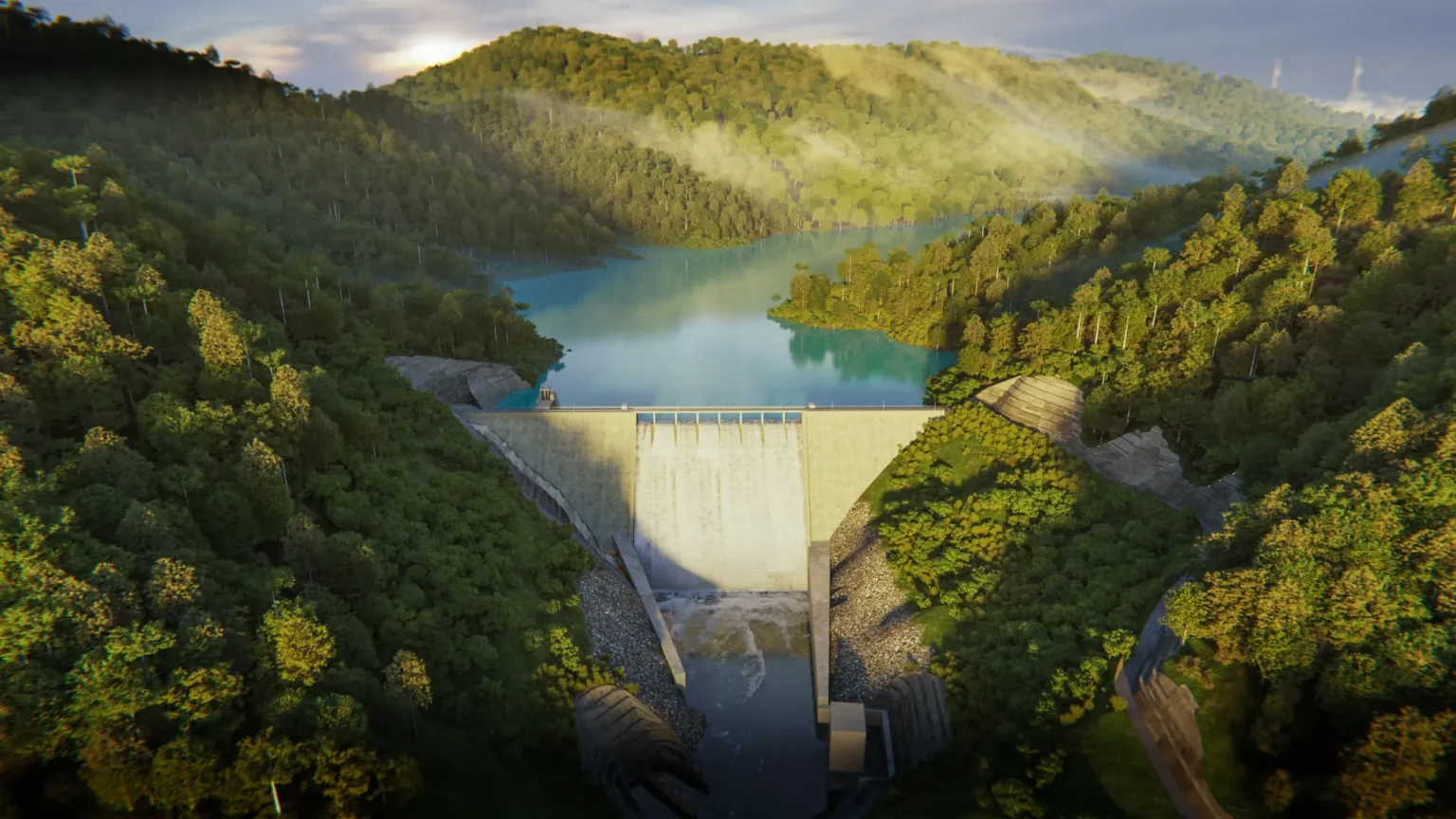
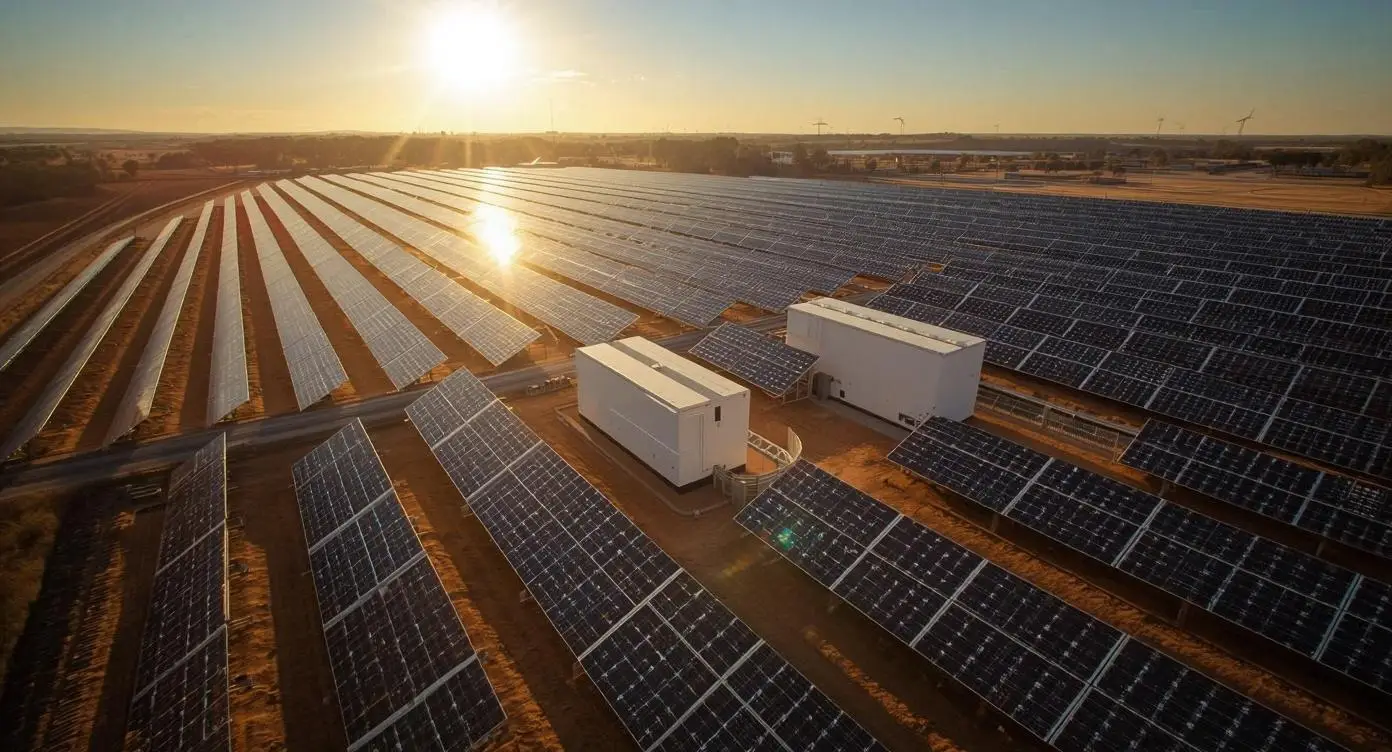
Through Gamuda’s robust and growing 3 GW RE pipeline, our portfolio includes building solar, wind and battery hybrid plants in several Australian states. Domestically, we are the largest hydro Independent Power Producer (IPP) in Malaysia, currently constructing the Ulu Padas Hydroelectric Dam Project in Sabah.
Kong added, “In the context of Malaysia’s energy transition, a significant challenge remains as the pace at which we adopt and integrate frontier technologies, particularly grid-scale Battery Energy Storage Systems (BESS) integration are still in a nascent stage locally. To bridge this technical gap, we are strategically leveraging our extensive exposure in mature markets like Australia, where the regulatory and technical energy landscape is significantly more advanced.
We are privileged to tap into our deep technical reservoir in Australia, whereby we have begun transferring knowledge from our Australian Subject Matter Experts (SMEs) and technical advisors into our broader operations. It is incredibly exciting to fuse this international expertise with our innovative engineering to craft futureproof energy strategies that are not only effective but also essential for the next chapter of Malaysia’s green journey.”
Jarred Hardman, Gamuda Australia’s Chief Strategy and Growth Officer, also said, “A critical differentiator for Gamuda, especially in markets like Australia, is our strategic positioning to be involved in early developments as a developer, owner and contractor. This constructability mindset enables us to approach projects differently, getting involved earlier to manage the supply chain, logistics, design, price and programme more efficiently.
By adopting this approach, we effectively mitigate the risks associated with these projects for our equity partners, ourselves, and our Engineering, Procurement, and Construction (EPC) team.”
“One of the most important lessons we can bring across to the ASEAN market is the necessity of bringing in construction partners early in the process to collaborate with developers, off-takers and the government before key decisions are finalised.” Jarred Hardman
Digital Grid Resilience
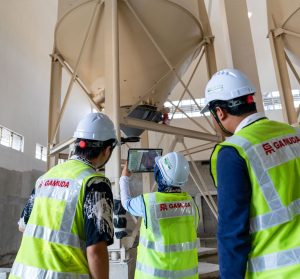
The green transition also necessitates a change in how grids operate, requiring modernisation that looks towards new technologies, as well as different legal and economic structures. The digital foundations underpin our capabilities in this modern grid. As the energy sector is becoming more digitalised, with systems controlling, coordinating and interfacing increasingly digitalised at every stage, artificial intelligence (AI) is expected to play a significant role. It is crucial to integrate systems from different manufacturers and countries to seamlessly inter-coordinate.
John Lim, Gamuda’s Chief Digital Officer, said, “Resilience is critical when looking at the challenges faced today, whether they involve cybersecurity attacks, heightened geopolitics or even climate catastrophes. Therefore, we must modernise the architectures that are being deployed. We utilise capabilities like Google Distributed Cloud (GDC) to bring cloud under control in our premise, or tactical edge solutions that can be deployed anywhere without an internet connection. This allows us to bring AI capabilities down to the ground where it is necessary – at the edge, ensuring system stability even in the event of a catastrophe.”
“The next few years are expected to be marked by new infrastructure being deployed alongside new technologies in the market.” John Lim
Synergy and Capital Strength
Gamuda is currently building an ecosystem of dynamic partners, including our investment in ERS Energy, our collaboration with Gentari and our partnership with SD Guthrie to unlock strategic land banks for RE development.
In Australia, we are working alongside global energy players, including Aula Energy, Lightsource bp, Yanara and Copenhagen Infrastructure Partners (CIP) as their long-term delivery partners and builders of choice. In Tasmania, we are working with local landowners to co-develop the Weasel Solar Farm and Cellars Hill Wind Farm, representing our first significant investment in renewable energy development in the country.